

Plus de 30 % des temps d'arrêt dans les bâtiments commerciaux sont dus à des défaillances évitables des équipements de chauffage, de ventilation et de climatisation, ce qui entraîne une augmentation des coûts d'exploitation dans le monde entier. Pour les responsables d'exploitation des grandes entreprises de CVC, l'automatisation n'a jamais été aussi urgente, car une gestion fiable des actifs est synonyme de marges bénéficiaires plus saines et de clients satisfaits. Cet aperçu révèle comment l'automatisation permet aux entreprises de prévoir les problèmes, d'optimiser la maintenance et d'atteindre une fiabilité inégalée, même dans les portefeuilles de bâtiments les plus complexes.
Table des matières
- Définir l'automatisation dans la gestion moderne des actifs
- Types d'automatisation pour la gestion des actifs CVC
- Comment l'automatisation rationalise les flux de maintenance
- Maintenance prédictive et analyse en temps réel
- Avantages, impact des coûts et retour sur investissement
- Pièges courants et difficultés d'intégration
Principaux enseignements
| Point | Détails |
|---|---|
| Importance de l'automatisation | L'automatisation est essentielle à la gestion moderne des actifs, transformant les opérations réactives en modèles prédictifs qui améliorent l'efficacité. |
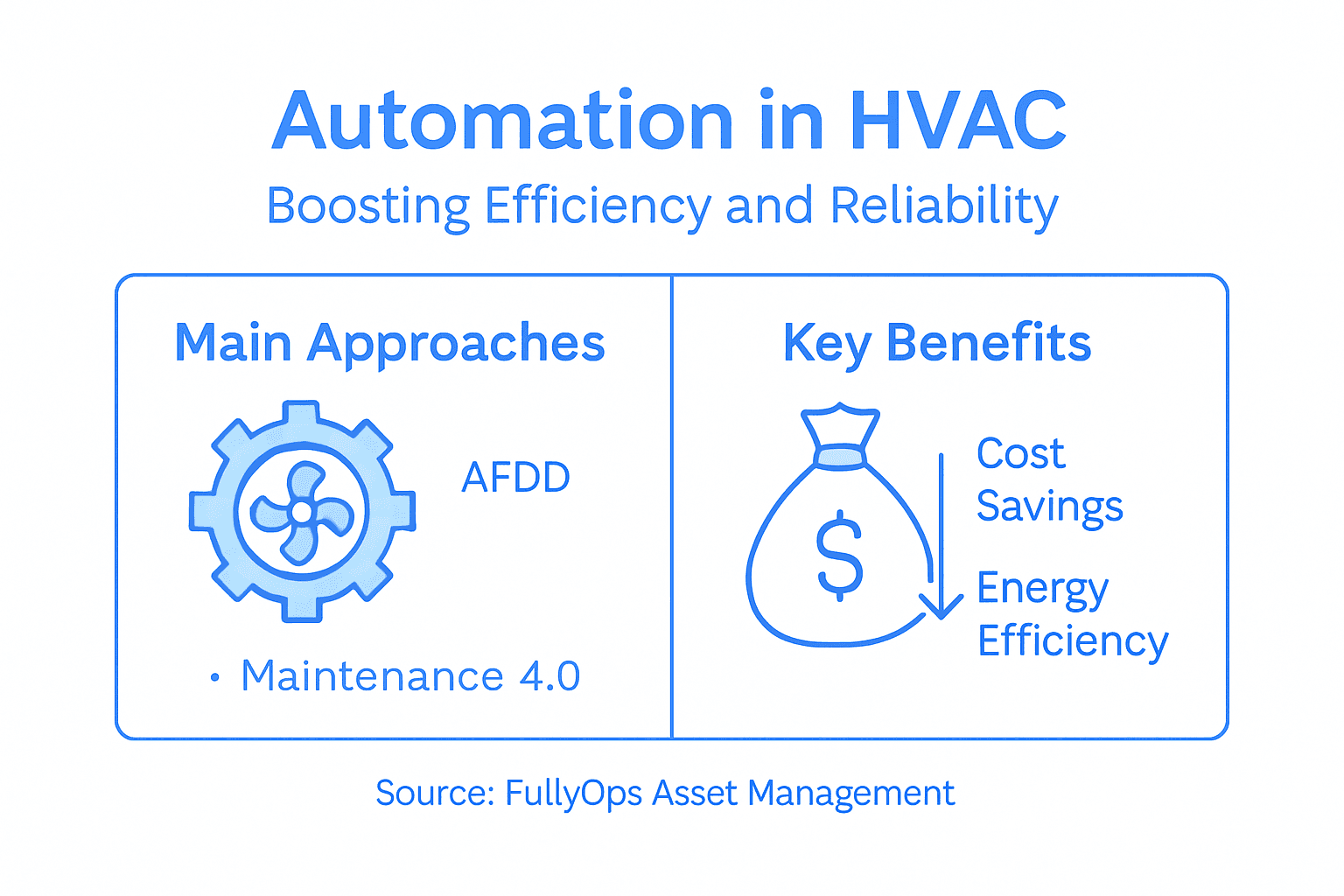
| Types de technologies d'automatisation | Des approches clés comme la détection et le diagnostic automatisés des pannes (AFDD) et la maintenance 4.0 tirent parti de l'IoT, de l'IA et de l'analyse des données pour optimiser les performances des systèmes de chauffage, de ventilation et de climatisation. |
| Avantages de la maintenance prédictive | La mise en œuvre de stratégies de maintenance prédictive permet de réduire considérablement les temps d'arrêt et d'allonger le cycle de vie des équipements grâce à des informations fondées sur des données. |
| Avantages financiers et opérationnels | L'automatisation avancée dans le domaine du chauffage, de la ventilation et de la climatisation peut entraîner des économies d'énergie de l'ordre de 15-38%, prolonger la durée de vie des équipements et améliorer la conformité aux réglementations, ce qui se traduit par un retour sur investissement substantiel. |
Définir l'automatisation dans la gestion moderne des actifs
La gestion moderne des actifs représente une profonde transformation technologique dans la manière dont les organisations suivent, contrôlent et optimisent leurs infrastructures critiques. Automatisation s'est imposée comme une stratégie essentielle, permettant aux entreprises de passer d'une approche de maintenance réactive à des modèles opérationnels intelligents et basés sur des données. En intégrant des technologies avancées, les entreprises peuvent désormais générer des informations en temps réel, prédire les défaillances potentielles des équipements et rationaliser les flux de travail de maintenance complexes.
À la base, l'automatisation de la gestion des actifs implique le déploiement de plateformes logicielles sophistiquées, de technologies de capteurs et d'intelligence artificielle pour surveiller en permanence les performances et l'état des équipements. Techniques complètes d'optimisation de l'IA permettent aujourd'hui aux systèmes CVC de fonctionner avec une précision sans précédent, en suivant en temps réel des paramètres critiques tels que la température, l'humidité, la consommation d'énergie et les contraintes mécaniques. Ces systèmes peuvent détecter automatiquement les anomalies, générer des alertes de maintenance et même recommander des interventions préventives avant qu'une dégradation importante de l'équipement ne se produise.
L'écosystème technologique à l'origine de l'automatisation moderne de la gestion des actifs englobe plusieurs composants interconnectés. Il s'agit notamment des capteurs de l'internet des objets (IoT), des infrastructures de cloud computing, des algorithmes d'apprentissage automatique et des plateformes de gestion intégrées. En synthétisant des données provenant de sources multiples, les organisations peuvent créer des vues holistiques de la performance de leurs actifs, ce qui permet une prise de décision plus stratégique. Les stratégies de maintenance prédictive permettent désormais aux techniciens de programmer des interventions en fonction des conditions réelles de l'équipement plutôt que des fenêtres de maintenance arbitraires basées sur le temps, ce qui réduit considérablement les temps d'arrêt inutiles et les coûts de réparation.
Conseil de pro : Mettre en œuvre une stratégie d'automatisation progressive qui commence par des programmes pilotes dans des zones opérationnelles spécifiques, permettant à votre organisation d'acquérir de l'expertise et de démontrer une valeur tangible avant un déploiement complet.
Types d'automatisation pour la gestion des actifs CVC
L'automatisation dans la gestion des actifs HVAC englobe une gamme variée d'approches technologiques conçues pour améliorer l'efficacité opérationnelle, réduire les coûts de maintenance et optimiser les performances des systèmes. Ces stratégies d'automatisation ont évolué de manière spectaculaire, transformant les modèles traditionnels de maintenance réactive en systèmes de gestion intelligents et prédictifs, capables d'anticiper et de prévenir les défaillances potentielles des équipements avant qu'elles ne se produisent.
L'une des approches les plus sophistiquées en matière d'automatisation est Détection et diagnostic automatisés des défaillances (AFDD), qui intègre les technologies de modélisation de l'information du bâtiment (BIM) pour créer des modèles de diagnostic complets. Ce système avancé permet aux gestionnaires d'installations de développer des mécanismes de détection sophistiqués capables d'identifier les irrégularités subtiles des équipements, de suivre les tendances de performance et de générer des recommandations de maintenance précises. En s'appuyant sur des analyses de données complexes et des algorithmes d'apprentissage automatique, les systèmes AFDD peuvent localiser les problèmes potentiels avec une précision remarquable, ce qui permet des interventions ciblées et proactives.
Un autre type d'automatisation critique émergeant dans le secteur du CVC est le cadre Maintenance 4.0, qui synthétise de multiples technologies de pointe. Cette approche intègre les capteurs de l'Internet des objets (IoT), l'intelligence artificielle, les algorithmes d'apprentissage automatique et l'analyse des big data pour créer un écosystème de maintenance holistique. De tels systèmes surveillent en permanence les performances des équipements, collectant des données en temps réel qui permettent de mettre en place des stratégies de maintenance conditionnelle. En analysant les modèles de vibration, les fluctuations de température, la consommation d'énergie et d'autres paramètres critiques, ces plateformes intelligentes peuvent prédire les défaillances potentielles des équipements avec une précision sans précédent, réduisant considérablement les temps d'arrêt imprévus et prolongeant les cycles de vie des actifs.
Conseil de pro : Prioriser la mise en œuvre progressive de l'automatisation en identifiant d'abord les actifs CVC critiques qui bénéficieraient le plus des technologies de surveillance avancées, permettant ainsi une transformation numérique stratégique et rentable.
Voici un aperçu comparatif des principales approches d'automatisation dans le domaine de la gestion des actifs CVC :
| Approche de l'automatisation | Technologies intégrées | Avantages typiques |
|---|---|---|
| AFDD | BIM, apprentissage automatique | Détection précoce des défaillances, interventions précises |
| Maintenance 4.0 | Capteurs IoT, IA, big data | Maintenance conditionnelle, réduction des temps d'arrêt |
| Maintenance prédictive | Analyse en temps réel, données historiques | Prévention des défaillances, optimisation de la programmation |
Comment l'automatisation rationalise les flux de maintenance
Les flux de travail de la maintenance des systèmes CVC modernes ont subi une transformation radicale, passant de processus manuels et réactifs à des systèmes intelligents et proactifs qui réduisent considérablement les inefficacités opérationnelles. Les technologies d'automatisation permettent désormais aux organisations de prévoir, de prévenir et de gérer la maintenance des équipements avec une précision et une efficacité sans précédent, ce qui modifie fondamentalement la façon dont les équipes techniques abordent la gestion des actifs et la fiabilité des systèmes.
Technologies d'automatisation avancées révolutionnent les stratégies de maintenance en intégrant l'intelligence artificielle, les capteurs de l'internet des objets (IoT) et les algorithmes d'apprentissage automatique dans des cadres opérationnels cohésifs. Ces systèmes intelligents surveillent en permanence les performances des équipements, collectant des données en temps réel qui permettent des diagnostics immédiats et des interventions prédictives. En analysant des paramètres complexes tels que les variations de température, les modèles de vibration, la consommation d'énergie et les contraintes mécaniques, les systèmes automatisés peuvent générer des recommandations de maintenance précises, programmer des interventions ciblées et réduire de manière significative la probabilité de défaillances inattendues de l'équipement.
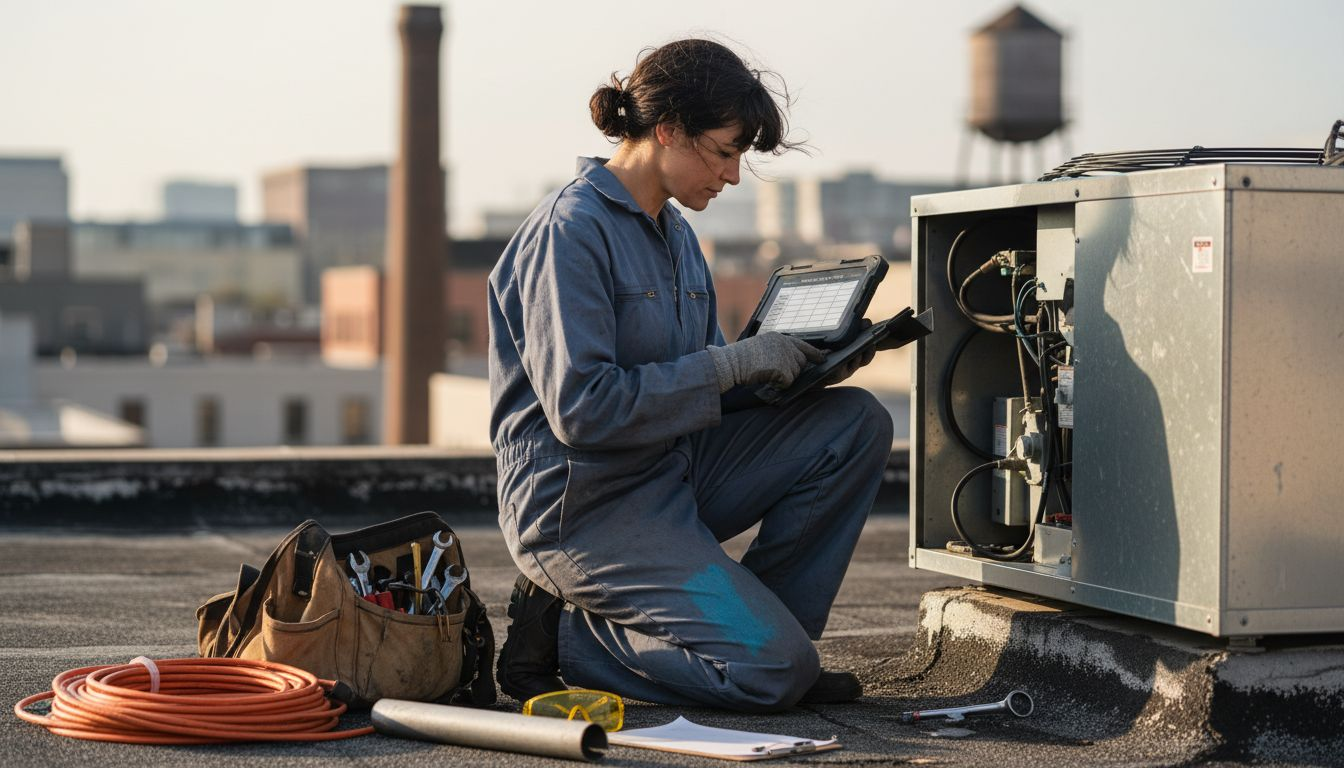
L'intégration de flux de travail automatisés apporte de multiples avantages stratégiques à la gestion des actifs CVC. Les systèmes intelligents peuvent générer automatiquement des ordres de travail, suivre l'historique de la maintenance, hiérarchiser les tâches de réparation et fournir une documentation complète avec une intervention humaine minimale. La surveillance en temps réel permet aux techniciens de recevoir des alertes instantanées sur les problèmes potentiels, ce qui permet une réponse rapide et une maintenance préventive. Cette approche permet non seulement de minimiser les temps d'arrêt, mais aussi de prolonger le cycle de vie des équipements, de réduire les coûts globaux de maintenance et d'améliorer la fiabilité de l'infrastructure CVC essentielle.
Conseil de pro : Mettez en œuvre une stratégie d'automatisation progressive en instrumentant d'abord vos actifs CVC les plus critiques avec des capteurs IoT, permettant une transformation numérique progressive et démontrant des améliorations opérationnelles tangibles.
Maintenance prédictive et analyse en temps réel
La maintenance prédictive représente un bond en avant dans la gestion des actifs CVC, transformant les approches réactives traditionnelles en stratégies sophistiquées, basées sur des données, qui anticipent les défaillances potentielles de l'équipement avant qu'elles ne se produisent. En s'appuyant sur des technologies avancées, les organisations peuvent désormais aller au-delà des inspections périodiques et des réparations d'urgence, en créant un écosystème de maintenance proactive qui maximise la fiabilité du système et l'efficacité opérationnelle.
Techniques de maintenance prédictive basées sur l'IA ont révolutionné la manière dont les organisations surveillent et gèrent les systèmes CVC. Ces approches intelligentes intègrent des capteurs de l'internet des objets (IoT), des algorithmes d'apprentissage automatique et des analyses de données en temps réel pour évaluer en permanence la santé des équipements. En analysant des paramètres de performance complexes tels que les modèles de vibration, les fluctuations de température, la consommation d'énergie et les contraintes mécaniques, ces systèmes peuvent détecter des anomalies subtiles susceptibles d'indiquer des défaillances imminentes de l'équipement, ce qui permet des interventions ciblées avant que des pannes critiques ne se produisent.
La force principale de la maintenance prédictive réside dans sa capacité à transformer les données opérationnelles brutes en informations exploitables. Des modèles avancés d'apprentissage automatique, y compris des techniques sophistiquées telles que les autoencodeurs, peuvent traiter de grandes quantités de données historiques et en temps réel pour créer des pronostics de santé complets pour les systèmes CVC. Ces modèles s'appuient sur les dossiers de maintenance antérieurs, les tendances de performance et les conditions environnementales, développant ainsi des capacités prédictives de plus en plus précises. Les techniciens peuvent désormais recevoir des recommandations précises sur les problèmes potentiels de l'équipement, la programmation optimale de la maintenance et les cycles de vie prévus des composants, ce qui permet de réduire considérablement les temps d'arrêt imprévus et d'accroître la fiabilité globale du système.
Conseil de pro : Établissez un ensemble de données de référence sur les performances de vos actifs CVC en recueillant des mesures opérationnelles complètes sur plusieurs mois, créant ainsi une base solide pour la mise en œuvre de stratégies de maintenance prédictive efficaces.
Avantages, impact des coûts et retour sur investissement
La mise en œuvre de technologies d'automatisation avancées dans la gestion des actifs de chauffage, de ventilation et de climatisation représente un investissement stratégique avec des avantages financiers et opérationnels substantiels. En transformant les approches traditionnelles de la maintenance, les organisations peuvent réaliser des réductions de coûts significatives, améliorer les performances des systèmes et renforcer l'efficacité opérationnelle, ce qui se traduit par des retours mesurables sur de multiples dimensions de la performance de l'entreprise.
Systèmes d'automatisation et de contrôle des bâtiments offrent des avantages économiques remarquables, avec des réductions potentielles de la consommation d'énergie allant de 15% à 38%. Ces systèmes génèrent des retours financiers rapides, l'investissement étant généralement amorti en l'espace de 1 à 3 ans. Au-delà des économies immédiates, les organisations bénéficient d'une amélioration des certificats de performance énergétique, d'une meilleure valorisation des actifs et d'une plus grande conformité aux réglementations énergétiques de plus en plus strictes.
Les avantages globaux de l'automatisation du chauffage, de la ventilation et de la climatisation vont bien au-delà des économies d'énergie directes. Les systèmes intelligents ajustent dynamiquement les opérations en fonction des données environnementales en temps réel, optimisant ainsi les performances des équipements tout en réduisant l'usure mécanique et en prolongeant le cycle de vie des biens. En minimisant les opérations inutiles des systèmes et en permettant une maintenance précise et basée sur l'état, les organisations peuvent réduire considérablement les dépenses de services publics, diminuer l'empreinte carbone et créer des cadres opérationnels plus durables. Parmi les autres avantages, citons l'amélioration de la qualité de l'environnement intérieur, l'amélioration du confort des occupants et une programmation plus prévisible de la maintenance, qui contribuent collectivement à une valeur organisationnelle significative à long terme.
Conseil de pro : Réaliser un audit énergétique de base complet avant de mettre en œuvre des systèmes d'automatisation afin de mesurer et de documenter avec précision les améliorations potentielles de la performance et les retours financiers.
Le tableau suivant résume les impacts financiers et opérationnels de l'automatisation de la gestion du chauffage, de la ventilation et de la climatisation :
| Zone d'impact | Avantages de l'automatisation | Résultat pour l'entreprise |
|---|---|---|
| Efficacité énergétique | 15-38% réduction de la consommation | Réduction des coûts des services publics, amélioration de la durabilité |
| Extension du cycle de vie | Réduction de l'usure mécanique | Durée de vie plus longue des équipements |
| Conformité | Amélioration de l'adhésion aux réglementations | Moins de problèmes juridiques et d'audit |
Pièges courants et difficultés d'intégration
Le chemin vers l'automatisation complète des systèmes de chauffage, de ventilation et de climatisation est semé d'embûches technologiques et organisationnelles complexes qui peuvent considérablement entraver la réussite de la mise en œuvre. Les organisations doivent naviguer dans un paysage complexe d'obstacles techniques, stratégiques et opérationnels pour réaliser le plein potentiel des technologies de maintenance avancées, ce qui nécessite une planification sophistiquée et une compréhension nuancée des obstacles potentiels à l'intégration.
Les défis liés à la mise en œuvre de la maintenance 4.0 révèlent de nombreux obstacles critiques que les organisations doivent surmonter. La qualité des données représente un obstacle fondamental, de nombreux systèmes ayant du mal à générer des informations opérationnelles fiables et cohérentes. Les organisations rencontrent fréquemment des problèmes d'interprétabilité des modèles, lorsque des algorithmes avancés produisent des recommandations qui manquent de transparence. Les problèmes d'évolutivité compliquent encore les efforts d'automatisation, car les systèmes doivent s'adapter avec souplesse à divers environnements opérationnels tout en conservant des performances et une fiabilité constantes.
Les défis de l'intégration technique vont au-delà de la gestion des données et englobent la compatibilité d'infrastructures complexes et les limitations des protocoles de communication. Les anciens systèmes CVC manquent souvent d'interfaces standardisées, ce qui crée des problèmes d'interopérabilité importants qui peuvent entraîner des mises en œuvre d'automatisation fragmentées et inefficaces. Ces problèmes de compatibilité se traduisent souvent par une augmentation des coûts de mise en œuvre, un allongement des délais de déploiement et une performance sous-optimale des systèmes. Une intégration réussie exige une approche holistique qui tient compte non seulement des capacités technologiques, mais aussi de l'état de préparation de l'organisation, de la formation des utilisateurs et de l'alignement stratégique à long terme.
Conseil de pro : Effectuer un audit complet des systèmes et une évaluation de la compatibilité avant la mise en œuvre de l'automatisation, en identifiant les points d'intégration potentiels et les limites techniques de votre infrastructure existante.
Exploiter tout le potentiel de l'automatisation du chauffage, de la ventilation et de la climatisation grâce à des solutions éprouvées de gestion des actifs
L'article met en évidence les défis complexes auxquels les organisations sont confrontées lorsqu'elles adoptent un système de gestion de l'information. l'automatisation dans la gestion des actifs CVC-Vous avez besoin d'un système de gestion de l'information, de l'incohérence des données aux problèmes d'intégration avec l'infrastructure existante. Vous voulez des flux de travail plus intelligents qui tirent parti de la maintenance prédictive et de l'analyse en temps réel, sans avoir à vous soucier de systèmes cloisonnés ou de données peu fiables. Une gestion fiable et proactive du chauffage, de la ventilation et de la climatisation exige une plateforme intelligente qui regroupe sous un même toit la surveillance des équipements, la gestion des ordres de travail et la visibilité opérationnelle.
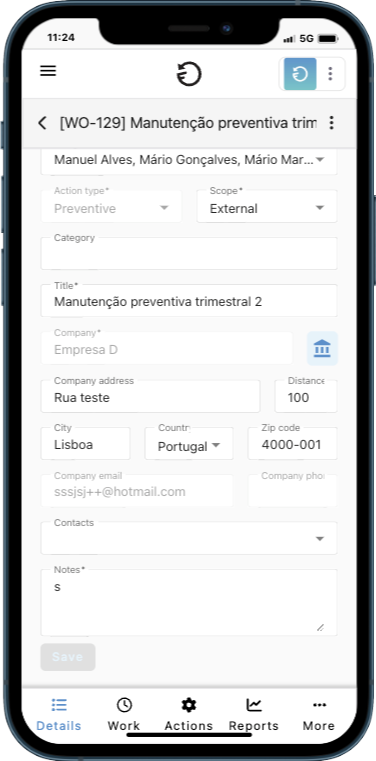
Découvrez comment FullyOps s'attaque à ces problèmes en rationalisant la gestion du cycle de vie des actifs et les services sur le terrain grâce à des outils d'automatisation avancés adaptés aux secteurs du chauffage, de la ventilation et de la climatisation ainsi qu'à d'autres secteurs critiques. Notre solution SaaS prend en charge flux de travail basés sur des conditions, la documentation automatisée, et des informations en temps réel permettant aux techniciens, aux équipes de back-office et aux responsables de réduire les temps d'arrêt et de contrôler les coûts de maintenance de manière efficace. Ne laissez pas les défis d'intégration vous freiner. Passez à l'étape suivante pour optimiser votre stratégie de maintenance et obtenir des résultats rapides en visitant FullyOps. Débloquez des gains d'efficacité et transformez votre gestion des actifs HVAC dès aujourd'hui.
Questions fréquemment posées
Comment l'automatisation améliore-t-elle la gestion des actifs CVC ?
L'automatisation améliore la gestion des actifs CVC en intégrant des technologies avancées telles que les capteurs IoT, l'IA et l'apprentissage automatique. Cela permet une surveillance en temps réel, une maintenance prédictive et une prise de décision fondée sur les données, ce qui réduit considérablement les temps d'arrêt et améliore l'efficacité du système.
Quels sont les principaux avantages de la maintenance prédictive dans les systèmes CVC ?
La maintenance prédictive utilise l'analyse des données en temps réel pour anticiper les défaillances des équipements avant qu'elles ne se produisent. Cette approche permet de minimiser les temps d'arrêt imprévus, d'optimiser les programmes de maintenance et de prolonger la durée de vie des systèmes CVC, ce qui se traduit en fin de compte par des économies et une amélioration des performances.
Qu'est-ce que la détection et le diagnostic automatisés des défauts (AFDD) dans le domaine du chauffage, de la ventilation et de la climatisation ?
L'AFDD est une approche d'automatisation avancée qui s'appuie sur la modélisation des informations du bâtiment (BIM) et l'apprentissage automatique pour identifier les anomalies subtiles de l'équipement, suivre les tendances de performance et générer des recommandations de maintenance précises, prévenant ainsi les défaillances potentielles de l'équipement.
Comment les entreprises peuvent-elles mettre en œuvre efficacement l'automatisation dans la gestion du chauffage, de la ventilation et de la climatisation ?
Les entreprises peuvent mettre en œuvre l'automatisation de manière efficace en adoptant une stratégie progressive qui commence par des programmes pilotes dans les zones opérationnelles critiques. Cette méthode permet aux organisations d'acquérir de l'expertise, de présenter une valeur tangible et de passer progressivement à une automatisation complète.