

Equipment failures and unexpected downtime frustrate even the most skilled maintenance managers in large HVAC firms. In a world where operational efficiency underpins long-term success, asset management delivers a clear advantage through organised, data-driven strategies. With advanced SaaS platforms offering automated processes and real-time insights, managers can transform maintenance routines and align resources with business goals. This article highlights how modern asset management frameworks and cloud-based tools reduce risks, maximise asset value, and enhance decision-making in today’s demanding operations.
Table of Contents
- Defining Asset Management In Modern Operations
- Types Of Asset Management In Maintenance Sectors
- How SaaS Tools Transform Asset Management
- Legal Duties And Compliance In Asset Handling
- Risks, Costs, And Common Asset Management Mistakes
Key Takeaways
| Point | Details |
|---|---|
| Modern Asset Management | Emphasises a strategic and integrated approach to optimise resources and enhance organisational performance. |
| Diverse Maintenance Strategies | Utilising various asset management strategies ensures tailored solutions that maximise asset reliability and efficiency. |
| Transformative SaaS Technologies | SaaS tools enable real-time monitoring and proactive maintenance, enhancing the agility and effectiveness of asset management practices. |
| Legal Compliance Considerations | Organisations must prioritise adherence to regulatory standards to mitigate risks and optimise operational integrity in asset management. |
Defining Asset Management in Modern Operations
Asset management represents a sophisticated strategic approach for organisations to systematically manage and optimise their physical resources throughout their entire operational lifecycle. This discipline has evolved far beyond traditional maintenance practices, emerging as a critical component for achieving sustainable competitive advantages in complex business environments.
At its core, asset management involves coordinated strategic activities that enable organisations to extract maximum value from their asset portfolios. The approach encompasses several key characteristics:
- Systematic tracking of assets from acquisition to retirement
- Strategic alignment with organisational goals and performance metrics
- Continuous evaluation of asset reliability and operational efficiency
- Risk mitigation and proactive maintenance planning
- Financial optimisation through intelligent resource allocation
Modern asset management frameworks, such as ISO 55000, emphasise a holistic perspective that integrates technical, financial, and strategic considerations. These approaches recognise that assets are not merely physical infrastructure but strategic investments that directly impact organisational performance and long-term sustainability.
The evolution of asset management has been driven by increasing technological complexity, stakeholder expectations, and the need for more sophisticated operational strategies. Organisational leadership now views asset management as a critical mechanism for driving continuous improvement and maintaining competitive edge across various industry sectors.
Pro tip: Implement a comprehensive digital asset tracking system to transform your asset management from reactive maintenance to proactive strategic planning.
Types of Asset Management in Maintenance Sectors
Maintenance sectors employ diverse asset management strategies that adapt to varying operational requirements, technological capabilities, and organisational objectives. Strategic maintenance approaches range from reactive interventions to highly sophisticated predictive methodologies, each offering unique advantages and challenges for organisations.
The primary types of asset management in maintenance sectors include:
- Reactive Maintenance: Emergency-based repairs after equipment failure
- Preventive Maintenance: Scheduled interventions to prevent potential breakdowns
- Predictive Maintenance: Data-driven approach using advanced monitoring technologies
- Condition-Based Maintenance: Real-time assessment of asset performance and health
- Reliability-Centred Maintenance: Strategic approach focusing on critical asset reliability
Each maintenance strategy represents a distinct approach to managing physical assets, with specific implications for resource allocation, operational efficiency, and long-term cost management. Preventive maintenance, for instance, involves systematic inspections and planned interventions designed to identify and address potential issues before they escalate into significant operational disruptions.
The following table compares key maintenance asset management strategies and highlights when each is most effective:
| Strategy Type | Typical Application | Ideal Usage Scenario |
|---|---|---|
| Reactive Maintenance | Emergency repairs | Low-criticality, seldom-failing assets |
| Preventive Maintenance | Scheduled servicing | Assets with predictable wear patterns |
| Predictive Maintenance | Sensor-based predictability | High-value, heavily-used equipment |
| Condition-Based Maintenance | Real-time monitoring | Assets where condition varies by use |
| Reliability-Centred Maint. | Tailored to critical assets | Safety-critical or production-essential systems |
Predictive maintenance technologies have revolutionised asset management by enabling organisations to leverage advanced sensors, machine learning algorithms, and real-time data analytics. These sophisticated approaches allow maintenance teams to transition from reactive problem-solving to proactive performance optimisation, significantly reducing unexpected downtime and extending asset lifecycles.

Pro tip: Develop a comprehensive asset management strategy that integrates multiple maintenance approaches tailored to your specific operational context and technological capabilities.
How SaaS Tools Transform Asset Management
Software-as-a-Service (SaaS) technologies are fundamentally reshaping asset management by introducing unprecedented levels of flexibility, automation, and intelligent data processing. Cloud-based systems revolutionise asset tracking by replacing traditional manual workflows with dynamic, interconnected digital platforms that enable real-time decision-making and comprehensive operational insights.
The key transformative capabilities of SaaS tools in asset management include:
- Automated data collection and synchronisation
- Real-time asset performance monitoring
- Predictive maintenance scheduling
- Comprehensive reporting and analytics
- Seamless cross-departmental integration
- Scalable infrastructure with minimal upfront investment
By leveraging advanced technologies, SaaS platforms empower organisations to transition from reactive maintenance strategies to proactive, data-driven asset management approaches. These intelligent systems capture granular performance metrics, analyse complex operational patterns, and generate actionable insights that enable maintenance teams to optimise resource allocation and minimise unexpected equipment failures.
Modern SaaS solutions offer unprecedented flexibility through configurable interfaces and modular architectures that can be tailored to specific organisational requirements. The subscription-based model eliminates substantial upfront software investments, democratising access to sophisticated asset management technologies for businesses of varying sizes and operational complexities.
Pro tip: Select a SaaS asset management platform that offers seamless integration capabilities and provides comprehensive customisation options to align with your specific operational ecosystem.
Legal Duties and Compliance in Asset Handling
Asset management involves significant legal responsibilities that extend far beyond simple operational maintenance. Organisations must navigate a complex landscape of regulatory requirements, statutory obligations, and ethical standards when handling physical and digital assets across various industries.
Key legal considerations in asset management include:
- Adherence to industry-specific safety regulations
- Proper documentation of asset lifecycle and maintenance history
- Compliance with health and safety workplace standards
- Environmental protection and waste management protocols
- Data protection and confidentiality requirements
- Accurate financial reporting of asset values
Compliance frameworks demand meticulous record-keeping and transparent management practices. Organisations must demonstrate not just operational efficiency, but a comprehensive understanding of their legal obligations surrounding asset ownership, maintenance, and eventual disposal. This includes maintaining detailed audit trails, ensuring equipment meets current safety standards, and implementing robust risk management strategies.
The legal landscape surrounding asset management is dynamic and multifaceted, requiring continuous monitoring of regulatory changes. Different sectors – from manufacturing to healthcare – have unique compliance requirements that necessitate specialised knowledge and proactive management approaches. Failure to meet these legal standards can result in significant financial penalties, operational disruptions, and potential legal liability.
Pro tip: Develop a comprehensive compliance tracking system that automatically updates and alerts your team to changes in regulatory requirements across your asset management processes.
Risks, Costs, and Common Asset Management Mistakes
Asset management involves complex financial and operational challenges that can significantly impact organisational performance. Risk-informed decision making becomes crucial for organisations seeking to minimise potential financial losses and operational disruptions.
Common asset management mistakes that organisations frequently encounter include:
- Reactive instead of proactive maintenance strategies
- Inadequate documentation of asset histories
- Poor data management and tracking
- Underutilising critical assets due to insufficient insights
- Neglecting regular performance evaluations
- Failing to anticipate potential equipment risks
- Inconsistent compliance with industry standards
Financial risks in asset management extend beyond immediate repair costs. These include potential productivity losses, unexpected downtime, compliance penalties, and reduced asset lifecycle value. Organisations must develop comprehensive strategies that integrate robust monitoring, predictive analytics, and continuous performance assessment to mitigate these potential financial vulnerabilities.
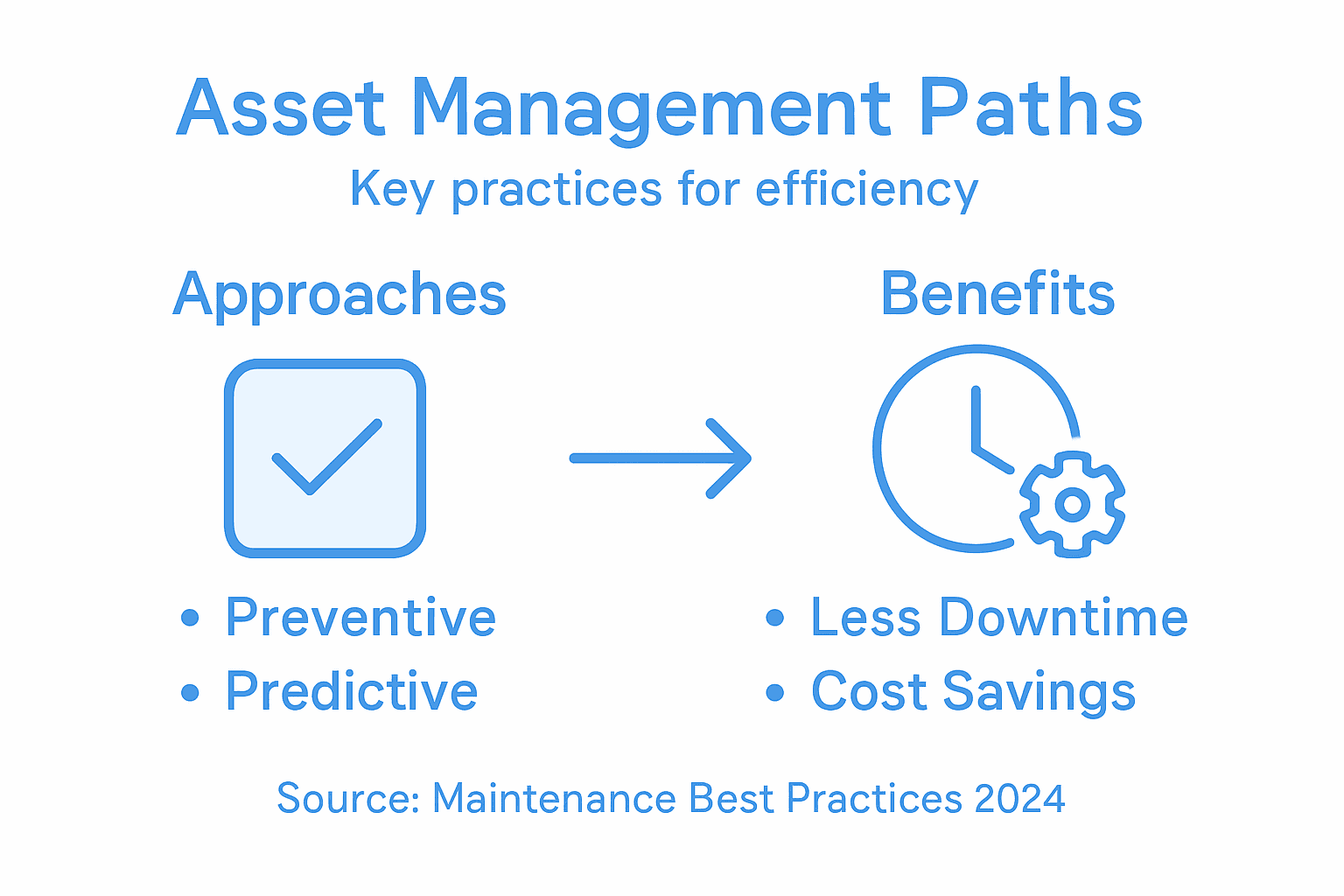
Here is a summary of common asset management risks and their potential impacts:
| Risk Area | Example Risk | Potential Organisational Impact |
|---|---|---|
| Data Management | Inaccurate asset records | Compliance breaches, financial errors |
| Maintenance Approach | Over-reliance on reactive | Increased downtime, higher costs |
| Compliance | Ignoring regulatory updates | Penalties, loss of certification |
| Asset Utilisation | Underused critical resources | Reduced ROI, wasted investment |
| Performance Monitoring | Lack of timely evaluations | Shortened asset lifespan, failures |
Successful asset management requires a holistic approach that balances technical understanding, financial pragmatism, and strategic foresight. This involves creating dynamic systems that can adapt to changing technological landscapes, regulatory environments, and operational requirements while maintaining cost-efficiency and risk management.
Pro tip: Implement a comprehensive digital asset tracking system that provides real-time performance metrics and automated risk assessment capabilities.
Unlock the Full Potential of Asset Management with FullyOps
Managing assets effectively is critical for enhancing maintenance efficiency and reducing costly downtime. If your organisation faces challenges like reactive maintenance, poor asset tracking or lacks real-time performance insights, the sophisticated capabilities described in the article are within your reach. FullyOps is designed to solve these exact problems by streamlining asset lifecycle management, coordinating preventive and predictive maintenance, and delivering detailed operational analytics for better decision making.
Discover how FullyOps integrates automated workflows, scalable SaaS solutions, and intelligent reporting tools tailored for technicians, managers and back-office teams. Whether you need to optimise resource allocation or improve compliance tracking, our platform helps you transition from costly reactive fixes to proactive, data-driven asset management. Explore how to reduce maintenance costs and boost asset reliability at FullyOps today.
Ready to transform your maintenance operations with a powerful digital solution that aligns with industry best practices? Visit FullyOps to see how our tailored platform can help you achieve operational excellence and a competitive edge now.
Frequently Asked Questions
What is asset management?
Asset management is a strategic approach that enables organisations to manage and optimise their physical resources throughout their operational lifecycle, focusing on maximising value from asset portfolios.
How does asset management improve maintenance efficiency?
Effective asset management enhances maintenance efficiency by transitioning from reactive to proactive strategies, leveraging data-driven insights for timely interventions, resulting in reduced downtime and extended asset lifecycles.
What are the different types of asset management strategies?
Types of asset management strategies include reactive maintenance, preventive maintenance, predictive maintenance, condition-based maintenance, and reliability-centred maintenance, each offering unique advantages depending on operational needs.
Why is compliance important in asset management?
Compliance is crucial in asset management as it ensures adherence to regulatory requirements, promotes safety and environmental standards, and helps avoid financial penalties and operational disruptions.
Recommended
- Asset Lifecycle Management – FullyOps
- Blog – FullyOps
- Asset Management Trends 2026: Transforming HVAC Operations
- The Essential Guide to Regular HVAC Maintenance – Home Therapist Cooling, Heating, and Plumbing
- Understanding Carpet Care for Property Managers – Yarra Valley Carpet Cleaning
- Junk Removal’s Impact on Facility Upkeep in Massachusetts