

Paperwork piles up, phone calls slow progress, and missed updates leave teams juggling urgent tasks across different locations. For maintenance managers in HVAC, plumbing or any other equipment or asset, these inefficiencies create unnecessary downtime and frustrated clients. Embracing mobile field service solutions changes this reality by delivering instant access to vital information, improving technician coordination, and supporting efficient workflow management. Discover how shifting from manual methods to smart mobile platforms can transform your field operations and drive consistent service reliability.
Table of Contents
- Mobile Field Service: Core Principles And Misconceptions
- Crucial Features And Types Of Mobile Solutions
- How Mobile Platforms Enhance Field Operations
- Industry Use Cases: HVAC And Plumbing Scenarios
- Pitfalls Of Manual Methods Versus Mobile Tech
- Hidden Costs, Integration, And Security Risks
Key Takeaways
| Point | Details |
|---|---|
| Embrace Mobile Technologies | Transitioning to mobile field service enhances efficiency and problem-solving in HVAC, plumbing and electric sectors. |
| Debunking Misconceptions | Mobile field service tools are scalable and user-friendly, suitable for organisations of any size. |
| Focus on Key Features | Essential features like GPS tracking and predictive maintenance provide significant operational benefits. |
| Adapt From Manual to Digital | Shifting from manual methods to mobile technology drastically improves record accuracy and performance monitoring. |
Mobile Field Service: Core Principles and Misconceptions
Mobile field service represents a fundamental transformation in how maintenance professionals approach asset management and operational workflows. Unlike traditional manual methods involving paper-based records and fragmented communication, mobile technologies enable real-time data capture, seamless team coordination, and immediate problem resolution for HVAC and plumbing service teams.
The core principles of mobile field service extend far beyond simple technological upgrades. They encompass a holistic approach to operational efficiency that integrates smart device capabilities, cloud-based communication platforms, and intelligent workflow management. Optimising field service management requires understanding that mobile solutions are not merely digital replacements for physical processes, but comprehensive systems designed to streamline complex maintenance operations.
Common misconceptions about mobile field service persist among maintenance professionals. Many believe these technologies are expensive, complex to implement, or only suitable for large organisations. In reality, mobile field service platforms can be scalable, user-friendly, and adaptable to organisations of various sizes. They provide granular insights into technician performance, asset conditions, and operational bottlenecks that traditional methods cannot capture. The ability to track work orders, capture digital signatures, generate instant reports, and synchronise information across teams represents a significant leap in operational transparency and efficiency.
Pro tip: Start with a small pilot programme to test mobile field service technologies and gradually expand implementation based on measured performance improvements.
Crucial Features and Types of Mobile Solutions
Mobile field service solutions for HVAC, plumbing and electric sectors encompass a diverse range of technological capabilities designed to revolutionise operational workflows. Mobile applications serve as comprehensive platforms that integrate multiple functional components, enabling technicians to manage complex maintenance tasks with unprecedented efficiency and precision.
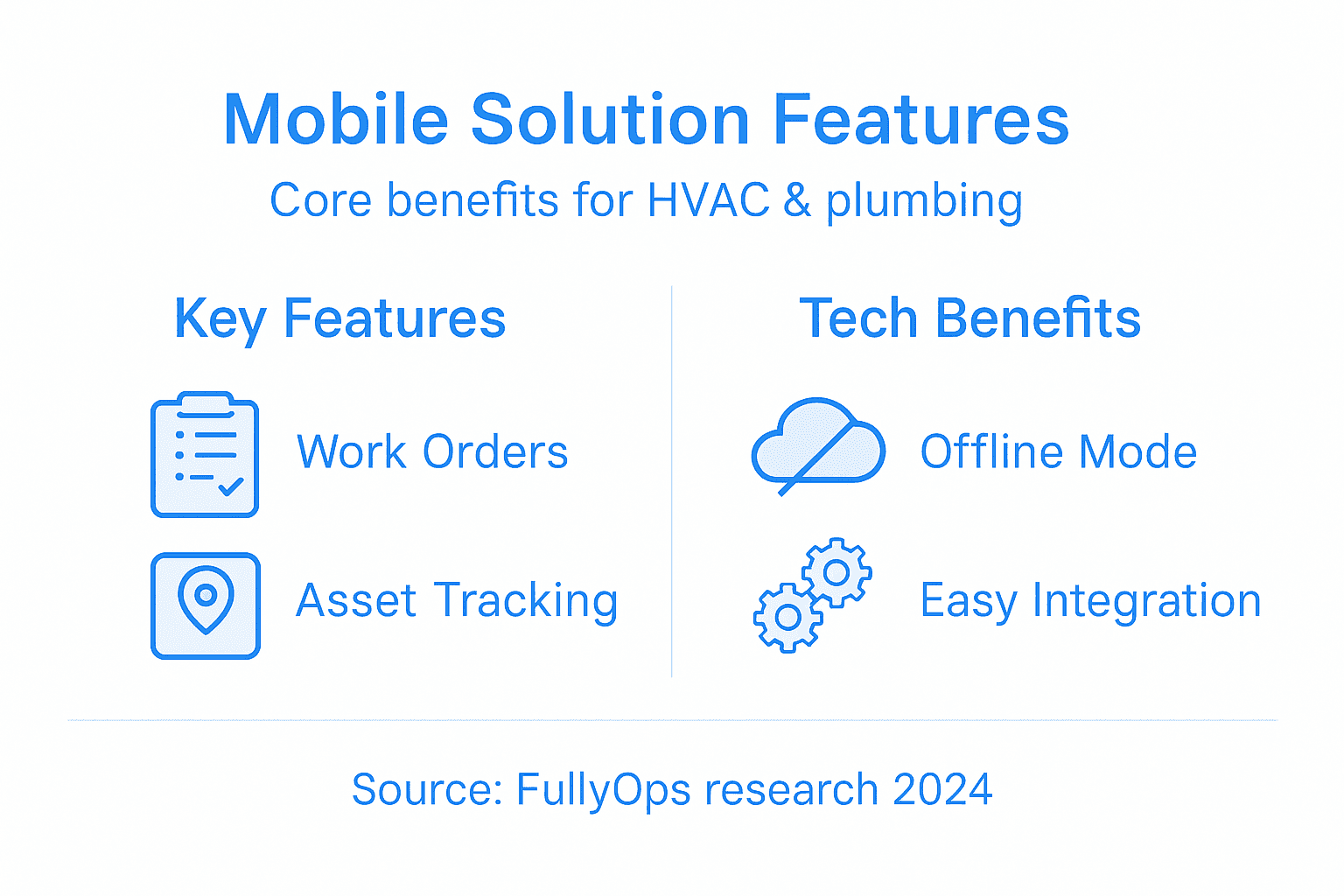
The primary mobile solution types include robust work order management systems, real-time asset tracking platforms, digital inventory management tools, and comprehensive reporting applications. These solutions typically feature critical functionalities such as GPS tracking, instant communication channels, digital documentation capabilities, and field service management optimisation tools. Advanced platforms enable technicians to access customer histories, generate instant invoices, capture digital signatures, and synchronise data across organisational ecosystems in real-time.
Key technological features of mobile field service solutions extend beyond basic digital record-keeping. Modern platforms incorporate intelligent analytics, predictive maintenance algorithms, and machine learning capabilities that transform raw operational data into actionable insights. Technicians can now leverage mobile solutions to diagnose equipment issues remotely, schedule preventative maintenance, track parts inventory, and generate comprehensive performance reports with minimal administrative overhead. These sophisticated tools dramatically reduce response times, minimise human error, and provide granular visibility into organisational performance metrics.
Pro tip: Prioritise mobile solutions with seamless integration capabilities and user-friendly interfaces to ensure rapid adoption and minimal training requirements for your technical teams.
The following table summarises essential features in modern mobile field service platforms and their practical benefits for HVAC and plumbing organisations:
| Feature | Description | Benefit to Organisation |
|---|---|---|
| GPS Tracking | Monitors technician locations | Faster dispatch, improved safety |
| Predictive Maintenance | Uses analytics for issue detection | Minimises downtime, proactive service |
| Digital Signatures | Captures client approvals securely | Accelerates invoicing |
| Integration Tools | Syncs data with existing systems | Smoother workflow transitions |
How Mobile Platforms Enhance Field Operations
Mobile platforms fundamentally transform field operations by providing HVAC and plumbing technicians with unprecedented capabilities for real-time information management and operational efficiency. Digital workflow systems enable technicians to transition from traditional paper-based processes to dynamic, interconnected operational environments that support faster decision-making and more responsive customer service.

Technological advancements have dramatically expanded mobile platform capabilities for field service professionals. Technician productivity tools now incorporate sophisticated features like instant access to comprehensive equipment manuals, digital diagnostic interfaces, comprehensive customer history records, and automated scheduling mechanisms. These integrated platforms allow technicians to diagnose complex mechanical issues more rapidly, order replacement parts directly from mobile devices, and generate accurate documentation without returning to a central office.
The strategic implementation of mobile platforms creates multiple operational advantages for maintenance organisations. By centralising information and enabling instant communication, these technologies eliminate traditional bottlenecks in field service workflows. Technicians can now receive real-time dispatch instructions, update work orders instantly, capture digital signatures, and synchronise completed tasks across organisational systems. Advanced mobile solutions provide granular performance tracking, enabling managers to monitor technician efficiency, analyse response times, and identify opportunities for continuous operational improvement.
Pro tip: Select mobile platforms with robust offline functionality to ensure uninterrupted service performance in areas with limited network connectivity.
Industry Use Cases: HVAC and Plumbing Scenarios
Mobile field service technologies have revolutionised operational workflows in both HVAC and plumbing sectors, presenting unique and transformative use cases that address long-standing industry challenges. Diagnostic precision now extends far beyond traditional manual inspection methods, enabling technicians to leverage advanced mobile platforms that provide real-time insights, predictive maintenance capabilities, and instant problem-solving resources.
In HVAC applications, mobile platforms offer unprecedented capabilities for system diagnostics and maintenance tracking. HVAC service solutions enable technicians to access comprehensive equipment histories, perform remote diagnostics, and generate instant repair recommendations. For instance, a technician can now scan a complex industrial air conditioning unit, instantly retrieve its entire maintenance record, identify potential failure points, and schedule preemptive interventions without extensive manual research.
Plumbing scenarios demonstrate equally impressive mobile platform transformations. Technicians can now document pipe conditions through digital imaging, track water pressure measurements in real-time, and generate comprehensive repair reports directly from their mobile devices. These technologies eliminate traditional paperwork bottlenecks, reduce administrative overhead, and provide clients with immediate, professional documentation of completed services. The ability to synchronise data across organisational systems means that management can track performance metrics, analyse technician efficiency, and make data-driven strategic decisions with unprecedented granularity.
Pro tip: Implement mobile platforms that offer comprehensive offline functionality to ensure uninterrupted service performance in areas with limited technological infrastructure.
Pitfalls of Manual Methods Versus Mobile Tech
Traditional manual methods in HVAC and plumbing industries represent a labyrinthine approach to field service management that introduces significant operational inefficiencies and potential errors. Paper-based documentation creates substantial risks, including lost work orders, inaccurate record-keeping, delayed communications, and limited performance visibility across organisational structures.
The fundamental limitations of manual methods become starkly apparent when compared against modern mobile technologies. Work order management platforms eliminate numerous systemic challenges inherent in traditional approaches. Technicians using manual systems spend considerable time transcribing handwritten notes, tracking down physical documentation, and reconstructing service histories from fragmented paper trails. These processes consume valuable time, increase administrative overhead, and introduce multiple opportunities for critical information loss or misinterpretation.
Moreover, manual methods fundamentally restrict an organisation’s capacity to generate meaningful performance analytics and make data-driven strategic decisions. Mobile technologies transform this landscape by providing real-time data capture, instant communication channels, and comprehensive digital documentation. Technicians can now generate precise reports, track equipment maintenance histories, capture client signatures electronically, and synchronise information across entire organisational ecosystems within seconds. This technological shift represents more than incremental improvement – it constitutes a fundamental reimagining of field service operational paradigms.
Pro tip: Conduct a comprehensive audit of your current documentation processes to identify specific inefficiencies that mobile technologies can immediately address.
Here’s a comparison of manual versus mobile field service methods in key operational areas:
| Aspect | Manual Methods | Mobile Technologies | Business Impact |
|---|---|---|---|
| Data Capture | Paper forms | Real-time digital entry | Faster, more accurate records |
| Communication | Calls, written notes | Instant messaging, notifications | Improved coordination |
| Reporting | Manual transcription | Automated digital reports | Reduced admin overhead |
| Performance Monitoring | Rarely centralised | Live analytics dashboards | Enhanced visibility, quicker responses |
Hidden Costs, Integration, and Security Risks
Mobile field service technologies introduce a complex landscape of potential hidden costs, integration challenges, and cybersecurity considerations that organisations must carefully navigate. Digital transformation demands a nuanced approach that balances technological innovation with strategic risk management, recognising that seemingly straightforward technological implementations can harbour significant financial and operational complexities.
Integration challenges represent a critical dimension of mobile technology adoption, particularly for HVAC, electric and plumbing organisations with legacy systems and established operational workflows. Strategic partnerships become essential in mitigating potential disruptions during technological transitions. Organisations must evaluate potential compatibility issues between new mobile platforms and existing software ecosystems, considering data migration challenges, potential workflow interruptions, and the technical expertise required to implement seamless technological integration.
Security risks constitute another profound consideration in mobile field service technology deployment. Digital platforms introduce potential vulnerabilities around data privacy, client information protection, and cybersecurity infrastructure. Technicians accessing sensitive client information through mobile devices must navigate stringent compliance requirements, implement robust authentication protocols, and maintain comprehensive data encryption standards. These security considerations extend beyond mere technological implementation, demanding a holistic approach that encompasses staff training, technological safeguards, and continuous risk assessment.
Pro tip: Conduct a comprehensive technology audit and risk assessment before implementing mobile field service platforms to identify potential integration challenges and security vulnerabilities.
Unlock the Full Potential of Mobile Field Service with FullyOps
The article highlights common challenges such as inefficient manual workflows, fragmented communication, and limited performance visibility that HVAC and plumbing organisations face without mobile technologies. If you are seeking to eliminate paper-based bottlenecks, achieve real-time work order management, and gain actionable insights into technician productivity FullyOps offers precisely tailored solutions. Our SaaS platform empowers your technicians, back-office teams, and managers with smart digital tools designed to boost operational efficiency and reduce downtime.
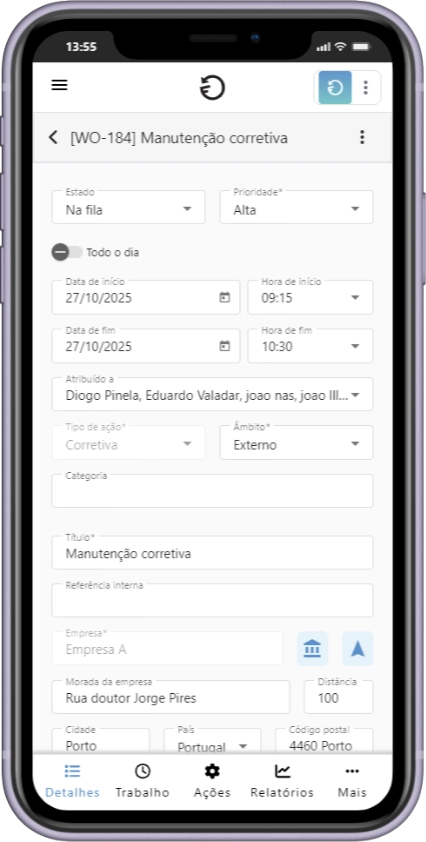
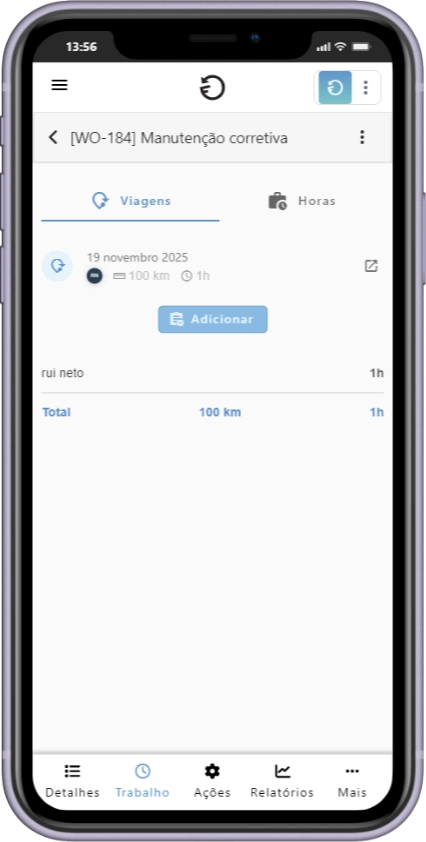
Experience automated documentation through a user-friendly interface trusted by medium to large organisations. Don’t let manual processes hold your team back. Discover how FullyOps can revolutionise your field service operations today by exploring our comprehensive suite of work order management features and asset lifecycle optimisation tools. Take the first step towards smarter maintenance workflows at FullyOps and transform your field service performance now.
Frequently Asked Questions
What are the core principles of mobile field service in HVAC and plumbing?
The core principles of mobile field service include real-time data capture, seamless team coordination, and immediate problem resolution, all facilitated through mobile technologies that streamline operational workflows.
How can mobile field service solutions improve operational efficiency?
Mobile field service solutions enhance operational efficiency by enabling technicians to access customer histories, generate instant reports, capture digital signatures, and synchronise data across teams, reducing response times and minimising human error.
What common misconceptions exist about mobile field service technologies?
Common misconceptions include the belief that mobile technologies are expensive, complex to implement, and only applicable to large organisations. In reality, these platforms can be scalable and user-friendly for a variety of organisations.
What features should I look for in a mobile field service solution for HVAC and plumbing?
Key features to consider include GPS tracking, predictive maintenance tools, digital documentation capabilities, and robust integration tools that synchronise data across existing systems.