

En bref
- Effective field team collaboration involves using a centralized, mobile-first digital platform for communication, task management, and data sharing. Managers who embed communication into daily workflows, adopt rapid feedback cycles, and practice field leadership build trust and efficiency. Consolidating tools and maintaining manager presence in the field enhance safety, reduce rework, and improve decision-making.
Effective field team collaboration is defined as the coordinated exchange of information, tasks, and feedback between dispersed maintenance and facilities technicians through standardised digital workflows. Without it, operations managers face delayed repairs, fragmented communication, and mounting compliance risk. This field team collaboration guide covers the tools, leadership habits, and workflow structures that maintenance and facilities teams need to perform consistently. The standard industry term for this discipline is field service management (FSM), and the best practices here apply whether you manage a single site or a portfolio of facilities.
What tools and systems are essential for field team collaboration?
The single most damaging habit in field team communication is relying on personal messaging apps. Centralising communication eliminates costly delays and litigation risks caused by data silos. When instructions live in a technician’s personal phone, they are invisible to the rest of the team and impossible to audit.
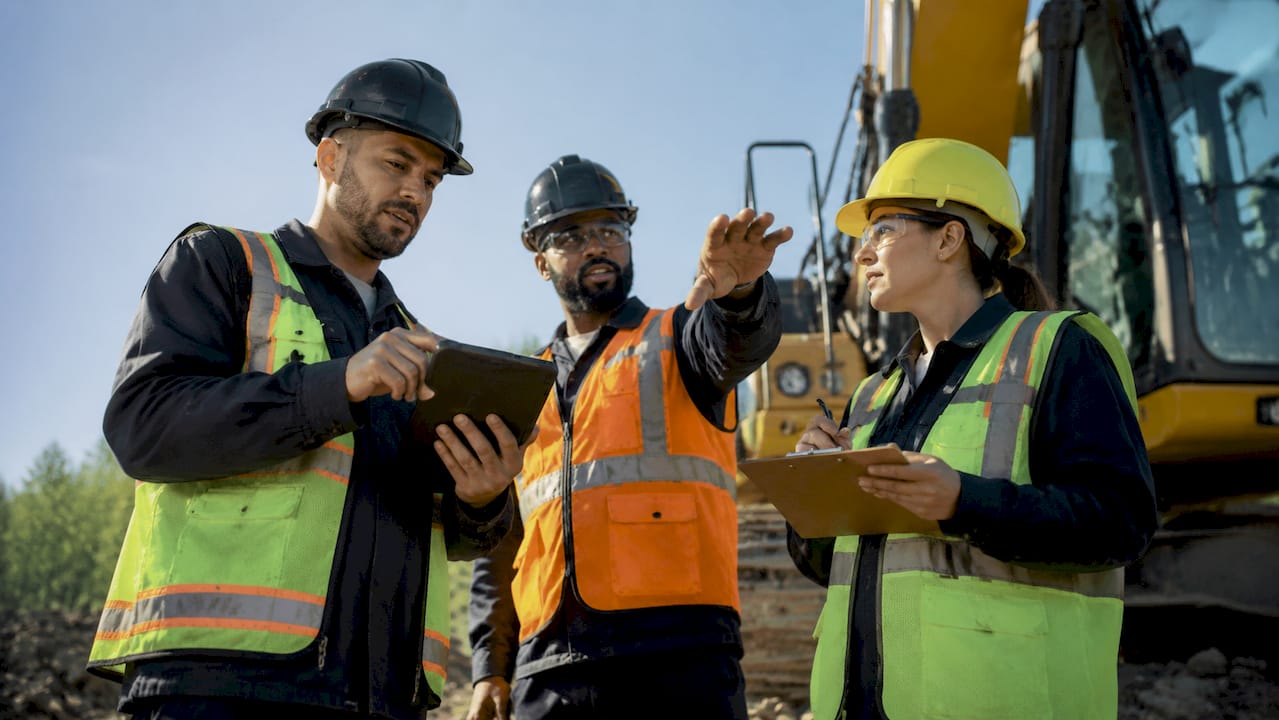
A mobile-first platform purpose-built for field teams solves this directly. It replaces fragmented group chats with a single channel where job updates, photos, checklists, and sign-offs are all searchable and linked to the relevant work order. That connection between communication and job records is what makes the difference between reactive firefighting and proactive coordination.
The feature categories your platform must cover are:
| Feature category | Why it matters for collaboration |
|---|---|
| Centralised messaging | Keeps all job-related communication in one auditable place |
| Digital checklists and forms | Standardises task completion and reduces verbal handovers |
| Photo and document uploads | Provides visual evidence linked directly to work orders |
| Real-time task tracking | Gives managers live visibility of job status without phone calls |
| Automated alerts and notifications | Removes manual phone chains for schedule changes or safety issues |
A unified operational platform also connects site communications directly to budgets, schedules, and project logs, reducing manual data entry and the risk of miscommunication.
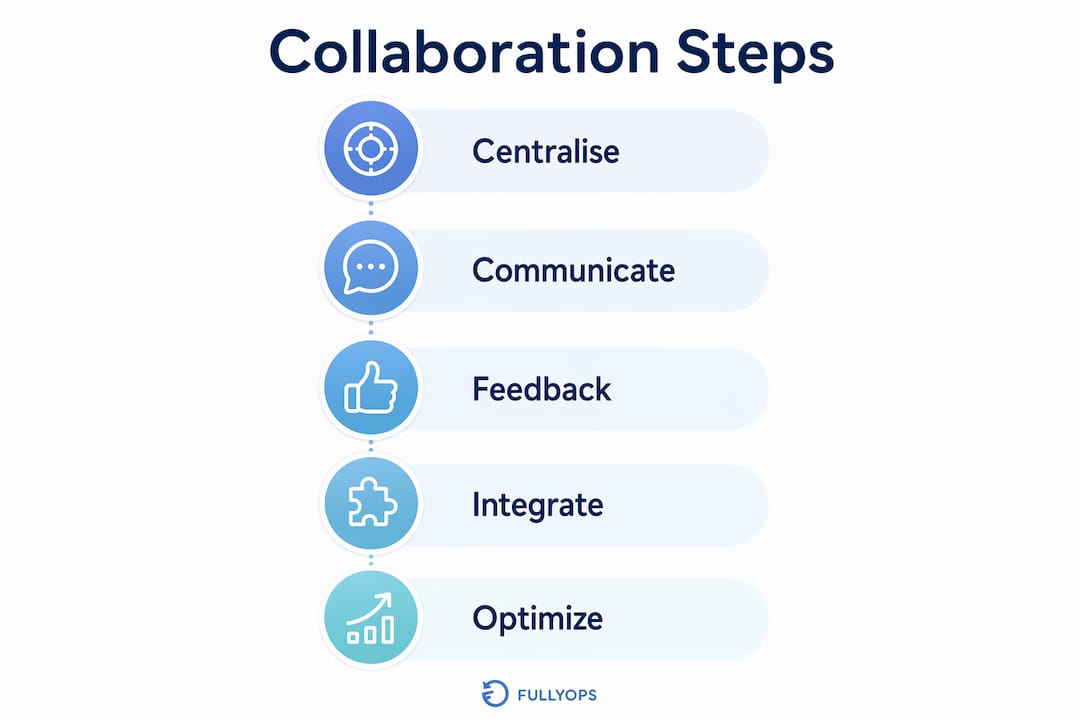
Conseil de pro : Avoid adopting multiple specialised apps for messaging, scheduling, and reporting separately. App overload pushes technicians back to personal group texts. Consolidate functions into one platform that matches how your team already works.
How can operations managers implement best practices for field teams?
The most effective managers embed communication into daily workflow rather than treating it as a separate administrative duty. That shift in mindset is the foundation of every other best practice here.
Establish rapid feedback cycles
Field teams using rapid feedback cycles address operational issues more quickly than those relying on annual reviews. The practical structure that works is three-tiered: daily tactical check-ins for immediate task alignment, weekly coaching conversations for performance and safety, and quarterly reviews for strategic direction. Leaders who cycle through the full team every three months maintain accurate operational insight without creating bureaucratic overhead.
Adopt a player-coach leadership model
The player-coach model involves field leaders spending significant time working alongside technicians. This builds trust, creates immediate coaching opportunities, and surfaces issues that would never appear in a dashboard. Managers who only observe from the office tend to receive filtered information. Those who rotate through field rotations every quarter get the unfiltered version.
Build inclusive communication habits
Automated alert systems enable real-time information flow without manual phone chains, supporting fast decision-making and safety compliance. Beyond alerts, digital channels also give quieter team members a way to share feedback without the social pressure of a group meeting. That inclusion directly supports retention.
The following habits, applied consistently, build a strong collaboration and safety culture:
- Run a five-minute daily stand-up tied to the day’s work orders
- Use digital forms for every job handover, not verbal summaries
- Send automated alerts for any schedule change affecting more than one technician
- Create a dedicated digital channel for near-miss and safety observations
- Rotate field visits so every technician receives direct manager contact at least once per quarter
- Review KPIs weekly as a team, not just in management meetings
- Acknowledge completed work publicly within the platform to reinforce positive behaviour
What common challenges hinder field team collaboration?
The most common barrier to effective field team communication is not a technology gap. It is excessive application complexity that leads to app fatigue and a fallback to unmonitored personal group texts. When a platform requires more steps than sending a WhatsApp message, technicians will choose WhatsApp every time.
The second barrier is fragmented data. When job notes live in one system, schedules in another, and photos in a personal phone gallery, no single person has a complete picture of what is happening on site. Decisions get made on incomplete information, and rework follows.
| Collaboration barrier | Best practice solution |
|---|---|
| Personal messaging apps | Adopt a single mobile-first platform for all job communication |
| Fragmented data across systems | Integrate scheduling, work orders, and communication in one tool |
| Delayed feedback loops | Implement daily check-ins and automated status alerts |
| Poor onboarding for new technicians | Use buddy systems and micro-learning videos to build habits fast |
| Quiet team members not contributing | Create safe digital channels for anonymous or low-pressure feedback |
Buddy systems and micro-learning videos during onboarding improve knowledge retention without pulling technicians off billable work. Peer mentorship supplemented by short learning bursts reduces the need for long off-site training days. That approach also accelerates the point at which new team members contribute to, rather than disrupt, team collaboration.
Conseil de pro : When evaluating any new collaboration tool, ask your technicians to complete one full job cycle using only that platform. If they reach for their phone to send a separate message at any point, the tool has a usability gap.
How does unified workflow integration improve field team outcomes?
Unifying workflows and data on a single platform yields productivity gains by reducing rework and improving quality consistency. The mechanism is straightforward: when every technician follows the same digital checklist and submits the same structured form, the output is comparable, auditable, and improvable.
Operational visibility
Real-time task tracking gives operations managers a live view of job status across all sites without requiring a single phone call. That visibility changes the nature of management from reactive to anticipatory. You can see a job falling behind schedule before the client notices, and reassign resources accordingly.
Réduction des erreurs
Shifting from reactive chaos to proactive coordination aligns information flow automatically from the job site to decision-makers. Digital work orders with mandatory fields prevent the most common errors: missing asset references, incomplete safety checks, and unsigned handovers. Each of those errors, left unchecked, generates rework and compliance exposure.
Decision-making speed
When communication, job data, and performance metrics all live in the same system, managers make faster decisions with better information. The alternative, pulling data from three separate sources before every decision, adds latency that compounds across hundreds of jobs per month. Platforms that connect bons de travail numériques to operational analytics close that gap directly.
Principaux enseignements
Effective field team collaboration requires a unified digital platform, rapid feedback cycles, and a leadership model that keeps managers visible and present in the field.
| Point | Détails |
|---|---|
| Centralise communication | Replace personal messaging apps with one auditable, mobile-first platform. |
| Use rapid feedback cycles | Daily check-ins, weekly coaching, and quarterly reviews address issues before they escalate. |
| Apply the player-coach model | Field rotations every quarter build trust and surface issues that dashboards miss. |
| Unify workflows and data | Integrated checklists and work orders reduce rework and improve decision speed. |
| Address app fatigue directly | Consolidate tools to match field habits, or technicians will revert to unmonitored channels. |
What I have learned from watching field teams succeed and fail
The teams that collaborate well rarely have the best technology. They have managers who show up in the field. Every high-performing maintenance team I have observed shares one trait: the leader is not a stranger to the technicians. That presence creates the psychological safety that makes digital tools actually work. Without it, even the best platform becomes another ignored notification.
The second thing I would tell any operations manager is to resist the urge to solve communication problems by adding more tools. The SaaS benefits for field teams come from consolidation, not proliferation. Every additional app is another login, another habit to build, another reason for a technician to give up and send a text.
Fast feedback cycles are genuinely underused. Most managers I speak with run quarterly reviews and call it done. Moving to weekly coaching conversations feels like more work until you realise it prevents the kind of performance drift that requires a difficult conversation three months later. The daily stand-up, tied directly to the day’s work orders, is the single highest-return habit a field team leader can build.
Finally, pay attention to who is not speaking in your team meetings. The quietest technicians often have the most accurate picture of what is going wrong on site. A digital channel where they can flag issues without social pressure is not a luxury. It is a retention and safety tool.
— Pedro
How Fullyops supports field team coordination
Fullyops is built for operations managers who need one place for work orders, team communication, and performance data. The platform’s outils d'allocation des ressources connect job scheduling directly to technician availability and asset records, removing the manual coordination that slows most maintenance teams down. Digital work orders with real-time status tracking give managers the operational visibility described throughout this guide, without requiring separate reporting tools. For teams moving away from fragmented apps and manual processes, Fullyops provides the integrated foundation that makes the best practices in this guide achievable in practice, not just in theory.
FAQ
What is field team collaboration in maintenance?
Field team collaboration in maintenance is the coordinated sharing of job information, task updates, and feedback between technicians and managers through standardised digital workflows. It replaces fragmented personal messaging with auditable, real-time communication linked to work orders.
How often should field teams hold feedback cycles?
The most effective structure combines daily tactical check-ins, weekly coaching conversations, and quarterly performance reviews. Leaders who cycle through the full team every three months maintain accurate operational insight without excessive administrative overhead.
What causes app fatigue in field teams?
App fatigue occurs when platforms require more steps than familiar personal messaging tools, pushing technicians back to unmonitored group chats. The solution is consolidating all job communication, task tracking, and reporting into a single lightweight platform that matches field team habits.
How does a unified platform reduce rework?
A unified platform enforces standardised digital checklists and mandatory form fields on every job, preventing the incomplete handovers and missing asset references that generate rework. Real-time data flow from site to management also allows issues to be caught before they require correction.
What is the player-coach model in field service management?
The player-coach model places field leaders alongside technicians during regular rotations, typically every quarter. This builds trust, creates immediate coaching opportunities, and gives managers accurate insight into operational conditions that would not appear in reports alone.
Recommandé
- Guide de flux de travail pour la maintenance des actifs pour une efficacité optimale
- Gestion des services sur le terrain : Comment structurer, gérer et motiver votre équipe - FullyOps
- Pourquoi la maintenance collaborative stimule l'efficacité des actifs
- Corrective maintenance steps: a guide for operations managers