

Las averías de los equipos y los tiempos de inactividad inesperados frustran incluso a los responsables de mantenimiento más expertos de las grandes empresas de climatización. En un mundo en el que la eficiencia operativa sustenta el éxito a largo plazo, la gestión de activos ofrece una clara ventaja a través de estrategias organizadas y basadas en datos. Con plataformas SaaS avanzadas que ofrecen procesos automatizados e información en tiempo real, los gestores pueden transformar las rutinas de mantenimiento y alinear los recursos con los objetivos empresariales. Este artículo destaca cómo los modernos marcos de gestión de activos y las herramientas basadas en la nube reducen los riesgos, maximizan el valor de los activos y mejoran la toma de decisiones en las exigentes operaciones actuales.
Índice
- Definición de la gestión de activos en las operaciones modernas
- Tipos de gestión de activos en los sectores de mantenimiento
- Cómo las herramientas SaaS transforman la gestión de activos
- Obligaciones legales y cumplimiento en la gestión de activos
- Riesgos, costes y errores comunes en la gestión de activos
Principales conclusiones
| Punto | Detalles |
|---|---|
| Gestión moderna de activos | Hace hincapié en un enfoque estratégico e integrado para optimizar los recursos y mejorar el rendimiento de la organización. |
| Diversas estrategias de mantenimiento | La utilización de diversas estrategias de gestión de activos garantiza soluciones a medida que maximizan la fiabilidad y eficiencia de los activos. |
| Tecnologías SaaS transformadoras | Las herramientas SaaS permiten la supervisión en tiempo real y el mantenimiento proactivo, mejorando la agilidad y eficacia de las prácticas de gestión de activos. |
| Consideraciones sobre el cumplimiento de la legislación | Las organizaciones deben dar prioridad al cumplimiento de las normas reglamentarias para mitigar los riesgos y optimizar la integridad operativa en la gestión de activos. |
Definición de la gestión de activos en las operaciones modernas
Gestión de activos representa un sofisticado enfoque estratégico para que las organizaciones gestionen y optimicen sistemáticamente sus recursos físicos a lo largo de todo su ciclo de vida operativo. Esta disciplina ha evolucionado mucho más allá de las prácticas tradicionales de mantenimiento, emergiendo como un componente crítico para lograr ventajas competitivas sostenibles en entornos empresariales complejos.
En esencia, la gestión de activos implica actividades estratégicas coordinadas que permiten a las organizaciones extraer el máximo valor de sus carteras de activos. El enfoque engloba varias características clave:
- Seguimiento sistemático de los activos desde su adquisición hasta su retirada
- Alineación estratégica con los objetivos de la organización y los parámetros de rendimiento
- Evaluación continua de la fiabilidad y eficiencia operativa de los activos
- Mitigación de riesgos y planificación proactiva del mantenimiento
- Optimización financiera mediante la asignación inteligente de recursos
Los marcos modernos de gestión de activos, como la norma ISO 55000, hacen hincapié en una perspectiva holística que integra consideraciones técnicas, financieras y estratégicas. Estos enfoques reconocen que los activos no son meras infraestructuras físicas, sino inversiones estratégicas que repercuten directamente en el rendimiento organizativo y la sostenibilidad a largo plazo.
La evolución de la gestión de activos se ha visto impulsada por la creciente complejidad tecnológica, las expectativas de las partes interesadas y la necesidad de estrategias operativas más sofisticadas. Liderazgo organizativo considera ahora la gestión de activos como un mecanismo fundamental para impulsar la mejora continua y mantener la ventaja competitiva en diversos sectores industriales.
Consejo profesional: Implante un sistema digital integral de seguimiento de activos para transformar su gestión de activos de un mantenimiento reactivo a una planificación estratégica proactiva.
Tipos de gestión de activos en los sectores de mantenimiento
Los sectores de mantenimiento emplean diversos estrategias de gestión de activos que se adaptan a los distintos requisitos operativos, capacidades tecnológicas y objetivos organizativos. Enfoques estratégicos de mantenimiento van desde intervenciones reactivas hasta metodologías predictivas muy sofisticadas, cada una de las cuales ofrece ventajas y retos únicos a las organizaciones.
Los principales tipos de gestión de activos en los sectores de mantenimiento incluyen:
- Mantenimiento reactivo: Reparaciones de emergencia tras un fallo del equipo
- Mantenimiento preventivo: Intervenciones programadas para prevenir posibles averías
- Mantenimiento predictivo: Enfoque basado en datos mediante tecnologías avanzadas de supervisión
- Mantenimiento basado en las condiciones: Evaluación en tiempo real del rendimiento y el estado de los activos
- Mantenimiento centrado en la fiabilidad: Enfoque estratégico centrado en la fiabilidad de los activos críticos
Cada estrategia de mantenimiento representa un enfoque distinto de la gestión de activos físicos, con implicaciones específicas para la asignación de recursos, la eficiencia operativa y la gestión de costes a largo plazo. Mantenimiento preventivo, implica, por ejemplo, inspecciones sistemáticas e intervenciones planificadas para detectar y resolver posibles problemas antes de que se conviertan en trastornos operativos importantes.
La siguiente tabla compara las principales estrategias de gestión de activos de mantenimiento y destaca cuándo es más eficaz cada una de ellas:
| Tipo de estrategia | Aplicación típica | Escenario de uso ideal |
|---|---|---|
| Mantenimiento reactivo | Reparaciones de urgencia | Activos de baja criticidad, que rara vez fallan |
| Mantenimiento preventivo | Mantenimiento programado | Activos con patrones de desgaste predecibles |
| Mantenimiento predictivo | Previsibilidad basada en sensores | Equipos de gran valor y uso intensivo |
| Mantenimiento basado en las condiciones | Control en tiempo real | Activos cuyo estado varía en función del uso |
| Mantenimiento centrado en la fiabilidad. | Adaptado a los activos críticos | Sistemas críticos para la seguridad o esenciales para la producción |
Mantenimiento predictivo han revolucionado la gestión de activos al permitir a las organizaciones aprovechar sensores avanzados, algoritmos de aprendizaje automático y análisis de datos en tiempo real. Estos sofisticados enfoques permiten a los equipos de mantenimiento pasar de la resolución reactiva de problemas a la optimización proactiva del rendimiento, lo que reduce significativamente los tiempos de inactividad imprevistos y amplía los ciclos de vida de los activos.

Consejo profesional: Desarrolle una estrategia global de gestión de activos que integre múltiples enfoques de mantenimiento adaptados a su contexto operativo específico y a sus capacidades tecnológicas.
Cómo las herramientas SaaS transforman la gestión de activos
Software como servicio (SaaS) están transformando radicalmente la gestión de activos al introducir niveles sin precedentes de flexibilidad, automatización y procesamiento inteligente de datos. Los sistemas basados en la nube revolucionan el seguimiento de activos sustituyendo los flujos de trabajo manuales tradicionales por plataformas digitales dinámicas e interconectadas que permiten tomar decisiones en tiempo real y obtener información operativa exhaustiva.
Las principales capacidades de transformación de las herramientas SaaS en la gestión de activos incluyen:
- Recogida y sincronización automatizada de datos
- Control del rendimiento de los activos en tiempo real
- Programación predictiva del mantenimiento
- Informes y análisis exhaustivos
- Perfecta integración entre departamentos
- Infraestructura ampliable con una inversión inicial mínima
Aprovechando las tecnologías avanzadas, Plataformas SaaS permiten a las organizaciones pasar de estrategias de mantenimiento reactivas a enfoques de gestión de activos proactivos y basados en datos. Estos sistemas inteligentes capturan métricas granulares de rendimiento, analizan patrones operativos complejos y generan información procesable que permite a los equipos de mantenimiento optimizar la asignación de recursos y minimizar los fallos inesperados de los equipos.
Las modernas soluciones SaaS ofrecen una flexibilidad sin precedentes gracias a interfaces configurables y arquitecturas modulares que pueden adaptarse a las necesidades específicas de cada organización. El modelo basado en suscripciones elimina importantes inversiones iniciales en software, democratizando el acceso a sofisticadas tecnologías de gestión de activos para empresas de distintos tamaños y complejidades operativas.
Consejo profesional: Seleccione una plataforma de gestión de activos SaaS que ofrezca capacidades de integración sin fisuras y proporcione amplias opciones de personalización para alinearse con su ecosistema operativo específico.
Deberes legales y cumplimiento en la gestión de activos
Gestión de activos implica importantes responsabilidades jurídicas que van mucho más allá del simple mantenimiento operativo. Las organizaciones deben navegar por un complejo panorama de requisitos reglamentarios, obligaciones legales y normas éticas cuando manejan activos físicos y digitales en diversos sectores.
Las consideraciones jurídicas clave en la gestión de activos incluyen:
- Cumplimiento de las normas de seguridad específicas del sector
- Documentación adecuada del ciclo de vida de los activos y del historial de mantenimiento
- Cumplimiento de las normas de salud y seguridad en el lugar de trabajo
- Protección del medio ambiente y protocolos de gestión de residuos
- Protección de datos y confidencialidad
- Información financiera precisa sobre el valor de los activos
Marcos de cumplimiento exigen un registro meticuloso y prácticas de gestión transparentes. Las organizaciones deben demostrar no sólo eficiencia operativa, sino también un conocimiento exhaustivo de sus obligaciones legales en relación con la propiedad, el mantenimiento y la eventual eliminación de los activos. Esto incluye el mantenimiento de registros de auditoría detallados, la garantía de que los equipos cumplen las normas de seguridad vigentes y la aplicación de estrategias sólidas de gestión de riesgos.
El panorama jurídico que rodea a la gestión de activos es dinámico y polifacético, y exige un seguimiento continuo de los cambios normativos. Los distintos sectores -desde el manufacturero hasta el sanitario- tienen requisitos de cumplimiento únicos que requieren conocimientos especializados y enfoques de gestión proactivos. El incumplimiento de estas normas legales puede acarrear importantes sanciones económicas, trastornos operativos y posibles responsabilidades legales.
Consejo profesional: Desarrolle un sistema integral de seguimiento del cumplimiento que actualice y avise automáticamente a su equipo de los cambios en los requisitos normativos en todos sus procesos de gestión de activos.
Riesgos, costes y errores comunes en la gestión de activos
Gestión de activos implica complejos retos financieros y operativos que pueden afectar significativamente al rendimiento de la organización. Toma de decisiones basada en el riesgo se convierte en crucial para las organizaciones que buscan minimizar las posibles pérdidas financieras y las interrupciones operativas.
Entre los errores más comunes en la gestión de activos que suelen cometer las organizaciones figuran los siguientes:
- Estrategias de mantenimiento reactivas en lugar de proactivas
- Documentación inadecuada del historial de activos
- Mala gestión y seguimiento de los datos
- Infrautilización de activos críticos por falta de información
- Descuidar las evaluaciones periódicas del rendimiento
- No anticiparse a los posibles riesgos del equipo
- Cumplimiento incoherente de las normas del sector
Riesgos financieros en la gestión de activos van más allá de los costes inmediatos de reparación. Entre ellos se incluyen las posibles pérdidas de productividad, los tiempos de inactividad inesperados, las sanciones por incumplimiento y la reducción del valor del ciclo de vida de los activos. Para mitigar estas posibles vulnerabilidades financieras, las organizaciones deben desarrollar estrategias globales que integren una sólida supervisión, análisis predictivos y una evaluación continua del rendimiento.
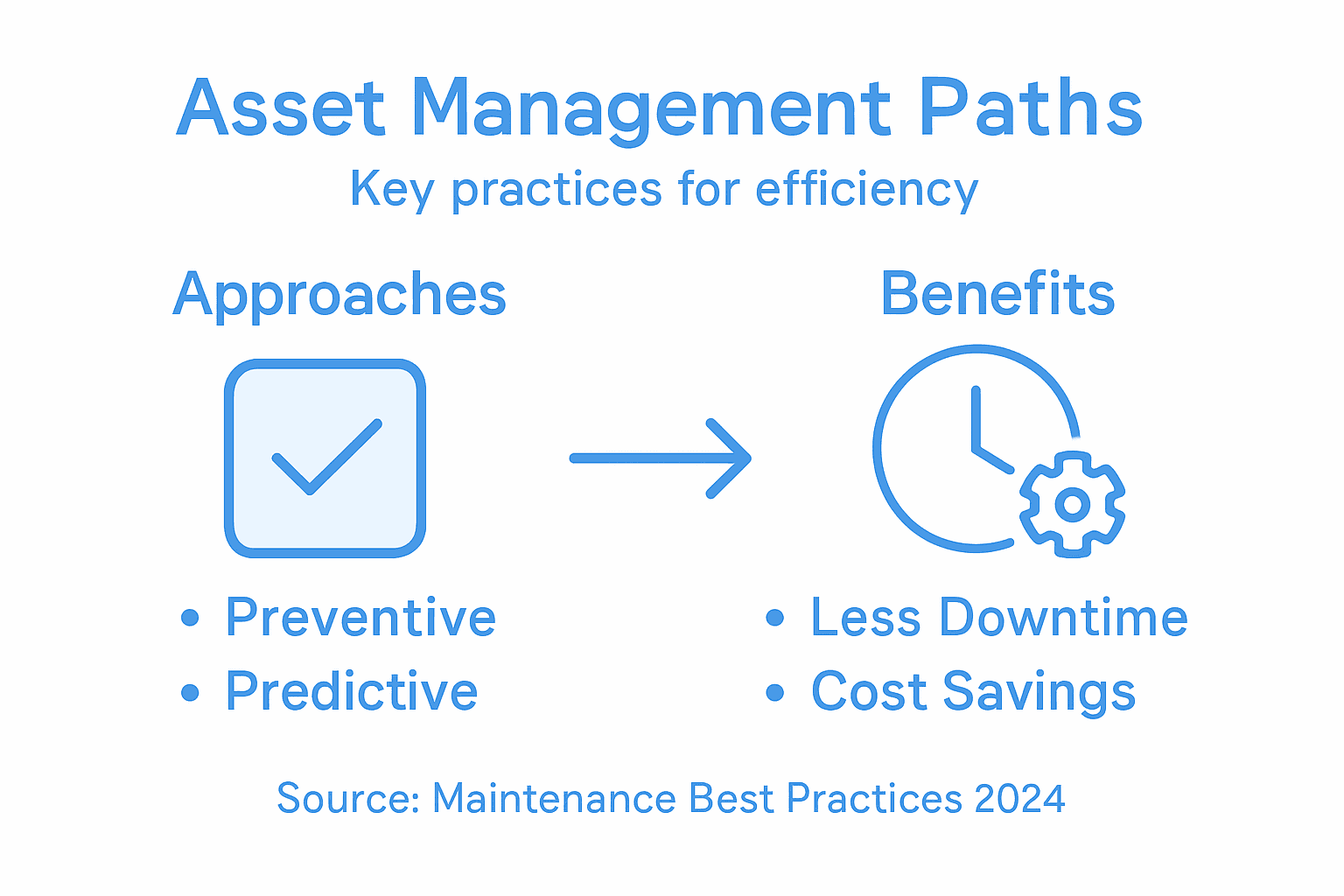
He aquí un resumen de los riesgos más comunes en la gestión de activos y sus posibles repercusiones:
| Zona de riesgo | Ejemplo de riesgo | Impacto organizativo potencial |
|---|---|---|
| Gestión de datos | Registros de activos inexactos | Incumplimientos, errores financieros |
| Enfoque de mantenimiento | Excesiva dependencia de la reacción | Mayor tiempo de inactividad, mayores costes |
| Conformidad | Ignorar las actualizaciones normativas | Sanciones, pérdida de la certificación |
| Utilización de activos | Recursos críticos infrautilizados | Retorno de la inversión reducido, inversión desperdiciada |
| Control del rendimiento | Falta de evaluaciones oportunas | Reducción de la vida útil de los activos, fallos |
El éxito de la gestión de activos requiere un enfoque holístico que equilibre la comprensión técnica, el pragmatismo financiero y la previsión estratégica. Esto implica crear sistemas dinámicos que puedan adaptarse a los cambios tecnológicos, los entornos normativos y los requisitos operativos, manteniendo al mismo tiempo la rentabilidad y la gestión de riesgos.
Consejo profesional: Implantar un sistema integral de seguimiento de activos digitales que proporcione métricas de rendimiento en tiempo real y funciones automatizadas de evaluación de riesgos.
Libere todo el potencial de la gestión de activos con FullyOps
La gestión eficaz de los activos es fundamental para mejorar la eficiencia del mantenimiento y reducir los costosos tiempos de inactividad. Si su organización se enfrenta a retos como el mantenimiento reactivo, el seguimiento deficiente de los activos o la falta de información sobre el rendimiento en tiempo real, las sofisticadas funciones descritas en el artículo están a su alcance. FullyOps está diseñado para resolver exactamente estos problemas agilizando la gestión del ciclo de vida de los activos, coordinando el mantenimiento preventivo y predictivo y proporcionando análisis operativos detallados para una mejor toma de decisiones.
Descubra cómo FullyOps integra flujos de trabajo automatizados, soluciones SaaS escalables y herramientas de generación de informes inteligentes adaptadas a técnicos, gestores y equipos administrativos. Tanto si necesita optimizar la asignación de recursos como mejorar el seguimiento del cumplimiento, nuestra plataforma le ayuda a pasar de las costosas reparaciones reactivas a una gestión de activos proactiva y basada en datos. Descubra cómo reducir los costes de mantenimiento y aumentar la fiabilidad de los activos en FullyOps hoy.
¿Listo para transformar sus operaciones de mantenimiento con una potente solución digital que se alinee con las mejores prácticas del sector? Visite FullyOps para ver cómo nuestra plataforma a medida puede ayudarle a alcanzar la excelencia operativa y una ventaja competitiva ahora.
Preguntas frecuentes
¿Qué es la gestión de activos?
La gestión de activos es un enfoque estratégico que permite a las organizaciones gestionar y optimizar sus recursos físicos a lo largo de su ciclo de vida operativo, centrándose en maximizar el valor de las carteras de activos.
¿Cómo mejora la gestión de activos la eficacia del mantenimiento?
Una gestión eficaz de los activos mejora la eficiencia del mantenimiento al pasar de estrategias reactivas a proactivas, aprovechando los conocimientos basados en datos para intervenir a tiempo, lo que reduce el tiempo de inactividad y amplía el ciclo de vida de los activos.
¿Cuáles son los distintos tipos de estrategias de gestión de activos?
Los tipos de estrategias de gestión de activos incluyen el mantenimiento reactivo, el mantenimiento preventivo, el mantenimiento predictivo, el mantenimiento basado en la condición y el mantenimiento centrado en la fiabilidad, cada uno de los cuales ofrece ventajas únicas en función de las necesidades operativas.
¿Por qué es importante el cumplimiento en la gestión de activos?
La conformidad es crucial en la gestión de activos, ya que garantiza el cumplimiento de los requisitos normativos, fomenta las normas de seguridad y medioambientales, y ayuda a evitar sanciones económicas e interrupciones operativas.
Recomendado
- Gestión del ciclo de vida de los activos - FullyOps
- Blog - FullyOps
- Tendencias en gestión de activos 2026: Transformación de las operaciones de HVAC
- La guía esencial para el mantenimiento regular de HVAC - Home Therapist Cooling, Heating, and Plumbing
- Cuidados de las alfombras para administradores de propiedades - Yarra Valley Carpet Cleaning
- Impacto de la retirada de trastos en el mantenimiento de instalaciones en Massachusetts