

Resumo:
- A manutenção corretiva enfrenta um problema de reputação, sendo vista por muitos como uma falha de planeamento. O equilíbrio entre manutenção preventiva e corretiva envolve a compreensão das suas diferenças e o agendamento estratégico de tarefas com base na criticidade do ativo e na monitorização das suas condições. A documentação precisa e os ajustes baseados em dados são essenciais para uma fiabilidade otimizada, apoiados por sistemas como o FullyOps para otimizar a gestão da manutenção.
A manutenção corretiva tem um problema de reputação. Muitos gestores de operações tratam qualquer reparação não planeada como uma falha de planeamento, algo a ser eliminado por completo através de programas preventivos agressivos. Essa perspetiva falha o objetivo. Compreender a diferença real entre manutenção preventiva e corretiva não é escolher uma em detrimento da outra; é saber precisamente quando cada uma serve a sua operação. Este guia oferece definições claras, uma comparação prática e a estrutura de tomada de decisão necessária para gerir ambas as abordagens com confiança e resultados mensuráveis.
Índice
- O que é manutenção preventiva?
- Manutenção corretiva é a manutenção realizada após a ocorrência de uma falha, avaria ou defeito num equipamento ou sistema. O objetivo é restaurar o equipamento ao seu estado de funcionamento normal o mais rapidamente possível.
- Principais diferenças entre manutenção preventiva e manutenção corretiva
- Como equilibrar a manutenção preventiva e corretiva para uma fiabilidade otimizada
- Documentação e acompanhamento da manutenção para cumprir normas e melhorar resultados
- Armadilhas comuns e dicas de especialistas para melhorar a estratégia de manutenção
- Repensar a manutenção: abraçar uma estratégia equilibrada e orientada por dados
- Explore as soluções FullyOps para otimizar a gestão da sua manutenção
- Perguntas mais frequentes
O que é manutenção preventiva?
Manutenção preventiva é agendado antes de ocorrer uma falha, realizadas a intervalos fixos com base no tempo, utilização ou recomendações do fabricante. A intenção é resolver o desgaste e a deterioração antes que causem uma avaria. É inerentemente proativa, não reativa.
Exemplos comuns em ambientes industriais incluem:
- Lubrificação de rolamentos e peças móveis em intervalos de horas operacionais definidos
- Substituição de filtros em sistemas AVAC, compressores e unidades hidráulicas
- Inspeções elétricas a verificar ligações soltas, degradação do isolamento ou sobreaquecimento
- Verificações da correia e do acoplamento em sistemas de transporte e maquinaria rotativa
- Calibração de sensores e instrumentos para manter a precisão da medição
O que torna a manutenção preventiva particularmente valiosa é a sua previsibilidade. Pode planear o trabalho, encomendar as peças com antecedência e agendar o tempo de inatividade durante os períodos de baixa produção. Os custos são em grande parte conhecidos antes do início do trabalho. Isto significa que a previsão do orçamento é mais fiável e os gerentes de produção podem ser avisados com antecedência, em vez de enfrentarem interrupções surpresa.
A manutenção preventiva funciona melhor para ativos com padrões de falha razoavelmente previsíveis. Um selo de bomba que normalmente se degrada após 4.000 horas de funcionamento é um candidato óbvio. Seguindo passos de manutenção preventiva sistematicamente em todo o registo de ativos é como as instalações passam de uma resolução reativa de problemas para operações planeadas e controladas.
A limitação que vale a pena reconhecer é que nem todas as falhas de ativos seguem um cronograma previsível. A aplicação de manutenção preventiva baseada no tempo a ativos que falham aleatoriamente pode resultar em trabalho desnecessário e substituição prematura de peças, consumindo recursos sem um benefício de fiabilidade proporcional.
Manutenção corretiva é a manutenção realizada após a ocorrência de uma falha, avaria ou defeito num equipamento ou sistema. O objetivo é restaurar o equipamento ao seu estado de funcionamento normal o mais rapidamente possível.
A manutenção corretiva é realizada após a identificação de uma avaria ou falha. Regra geral, visa restabelecer o funcionamento do equipamento o mais rapidamente possível e pode assumir duas formas distintas: reparações de emergência não planeadas e trabalhos corretivos planeados.
A distinção entre estas duas formas é operacionalmente importante:
- Manutenção corretiva não planeada (por vezes chamada de manutenção de emergência ou de avaria) ocorre quando um equipamento falha inesperadamente. Um motor dispara, um transportador para, uma válvula emperra. Ordens de trabalho são emitidas imediatamente, a produção para e os técnicos respondem sob pressão. Os custos e o tempo de inatividade são ambos imprevisíveis.
- Manutenção corretiva planeada ocorre quando uma falha é identificado mas ainda sem causar falha. Uma inspeção revela um rolamento desgastado. Em vez de o reparar no local, a equipa agenda o trabalho, encomenda a peça correta e realiza a correção durante a próxima paragem planeada. Isto é de natureza corretiva, mas planeado na execução.
Muitos supervisores de manutenção subestimam a segunda categoria. O trabalho corretivo planeado é um sinal de maturidade fluxo de trabalho de manutenção corretiva: isso significa que o seu regime de inspeção está a detetar falhas antes que estas causem paragens na produção. Essa é uma prática de manutenção genuinamente boa.
A manutenção corretiva é uma característica normal e inevitável de qualquer programa de manutenção. O objetivo não é eliminá-la completamente, mas sim garantir que a variedade não planeada seja a minoria, não a norma.
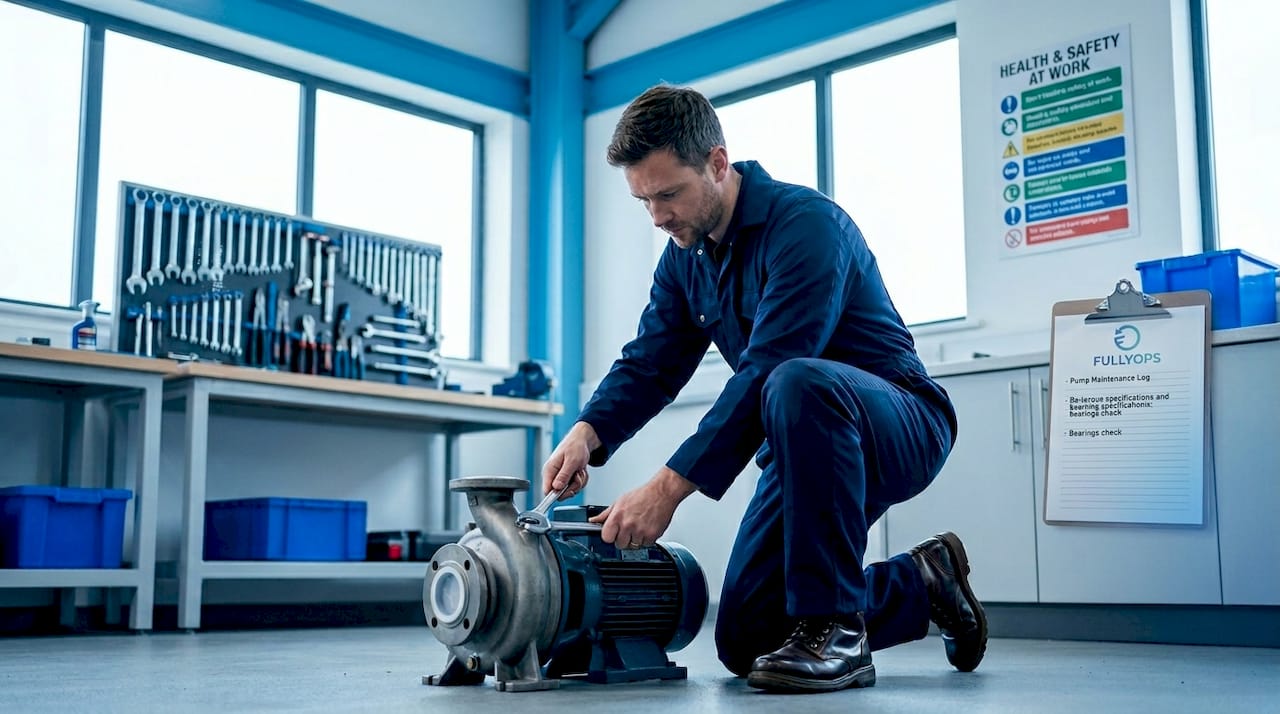
Principais diferenças entre manutenção preventiva e manutenção corretiva
Agora que compreendemos cada tipo, comparar as suas características lado a lado clarifica as implicações operacionais e financeiras. A distinção entre manutenção corretiva e preventiva abrange o momento, a estrutura de custos, o esforço de planeamento e o risco operacional.
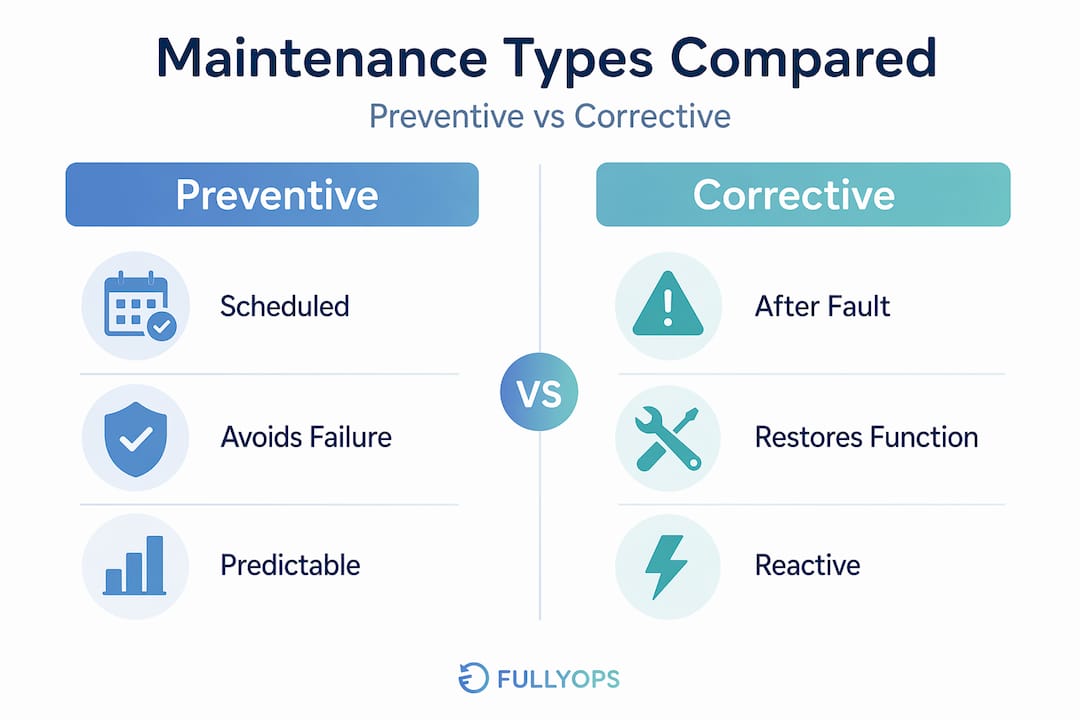
| Característica | Manutenção preventiva | Manutenção corretiva |
|---|---|---|
| Temporização | Agendado antes da falha | Após a identificação da falha ou do defeito |
| Previsibilidade de custos | Alto; planeado com antecedência | Baixo; variável e muitas vezes mais elevado |
| Tipo de inatividade | Planeado; coordenado com a produção | Inesperado (emergência) ou planeado (adiado) |
| Planeamento de recursos | Mão de obra e peças encomendadas antecipadamente | Recursos mobilizados reativamente |
| Mais adequado para | Activos com padrões de desgaste previsíveis | Todos os ativos; componente inevitável |
| Risco de sobre-servir | Sim; possíveis substituições desnecessárias | Não; o trabalho é impulsionado pela necessidade |
| Encargo documental | Elevado; requer agendamento e registos | Alto; requer registos de falhas e reparações |
As o programa de manutenção de dados confirma, a manutenção preventiva acarreta custos previsíveis e paragens programadas, enquanto a manutenção corretiva introduz incerteza de custos e pode interromper a produção sem aviso prévio. Nenhuma é intrinsecamente superior; o equilíbrio entre elas define a sua maturidade de manutenção.
Principais distinções operacionais a realçar numa comparação de técnicas de manutenção:
- Manutenção preventiva apoia certeza orçamental e planeamento a longo prazo.
- A manutenção corretiva é inevitável mesmo nas instalações mais bem geridas.
- O trabalho corretivo planeado une os dois mundos: impulsionado pela necessidade, mas controlado.
- Os calendários preventivos devem ser revisado regularmente para evitar a manutenção excessiva de ativos estáveis.
Dica Profissional: Documente ordens de trabalho preventivas e corretivas num único sistema. Quando rever o seu lista de verificação de conformidade de manutenção em comparação com os resultados reais, correlacionar tarefas preventivas adiadas com falhas corretivas subsequentes dá-lhe provas concretas para ajustes no planeamento. Este princípio de comparação de estratégias de manutenção é o que separa as equipas reativas das equipas focadas na fiabilidade.
Como equilibrar a manutenção preventiva e corretiva para uma fiabilidade otimizada
Com as diferenças claras, o foco volta-se para como os gestores de operações podem equilibrar estas abordagens para maximizar a fiabilidade dos ativos. A questão não é puramente qual tipo de manutenção utilizar, mas sim em que proporção de trabalho planeado versus não planeado a sua instalação opera atualmente e se essa proporção é aceitável.
Siga esta estrutura para caminhar em direção a um melhor equilíbrio:
- Audite a sua liquidez corrente. Programas de manutenção maduros Procure manter uma proporção de aproximadamente 80% de trabalhos planeados para 20% de trabalhos não planeados. Se a sua instalação apresentar o inverso desta proporção, está a gastar mais em reparações reativas do que deveria.
- Identifique primeiro os ativos de alta criticidade. Prioritar a manutenção preventiva em ativos cuja falha causaria o maior impacto na produção, segurança ou finanças. Nem todos os ativos justificam o mesmo investimento preventivo.
- Introduza monitorização de condição onde exequível. A análise de vibração, a termografia e a análise de óleo permitem agendar a manutenção com base na condição real do equipamento, em vez de intervalos fixos. Isto reduz tanto a manutenção excessiva como falhas inesperadas.
- Acompanhar manutenção preventiva diferida. Cada tarefa de PM adiada é um indicador inicial de trabalho corretivo não planeado no futuro. Reveja as tarefas adiadas semanalmente, não mensalmente.
- Rever horários com base no histórico de falhas. Se um ativo falhar consistentemente entre os intervalos de manutenção preventiva, encurte o intervalo. Se nunca apresentar desgaste durante a inspeção, considere estendê-lo ou movê-lo para monitoramento baseado em condição.
Dica Pro: Antes de estender ou remover uma tarefa preventiva, reveja os dados de modos de falha dessa classe de ativo. Aplicando a processo de manutenção preventiva para ativos críticos de AVAC e mecânicos é um ponto de partida prático para a construção de uma revisão estruturada.
O objetivo não é prevenir toda a manutenção corretiva; é garantir que o trabalho corretivo seja predominantemente planeado, em vez de impulsionado por emergências. Essa mudança, por si só, tem um impacto mensurável nos custos de manutenção e na disponibilidade do equipamento.
Documentação e acompanhamento da manutenção para cumprir normas e melhorar resultados
Compreender o papel da documentação revela como o controlo de manutenção se estende para além da execução de tarefas. Os registos não são um encargo administrativo; são a prova de que o seu sistema de gestão de ativos funciona como projetado.
A conformidade com a ISO 55000/55001 exige programas de manutenção documentados, e os registos preventivos e corretivos contribuem para demonstrar que o seu sistema funciona. Os auditores não querem apenas ver que as tarefas foram concluídas; querem ver que o processo é controlado, monitorizado e continuamente melhorado.
Requisitos chave de documentação para equipas de manutenção industrial:
- Registos de ordens de trabalho para cada tarefa preventiva e corretiva, incluindo tempo, técnico, peças usadas e resultado
- Achados da inspeção que desencadeia trabalho corretivo planeado, com datas e provas de acompanhamento
- Registos de manutenção diferida mostrando quais tarefas foram adiadas, o motivo e quando foram reagendadas
- Relatórios de falhas associando eventos corretivos ao histórico do ativo e a qualquer trabalho preventivo anterior
“A documentação de manutenção não é apenas um requisito de conformidade. É a matéria-prima para a melhoria do seu programa de manutenção. Sem ela, as decisões sobre agendamento, alocação de recursos e substituição de ativos baseiam-se na memória e na intuição, em vez de em evidências.”
Uma boa documentação permite também a análise de tendências. Se os seus registos mostrarem que um determinado tipo de bomba necessita consistentemente de trabalho corretivo seis semanas após a sua inspeção preventiva programada, essa é uma perceção acionável. Estruturada normas de reporte de manutenção permite identificar estes padrões e agir antes que as falhas se repitam.
Armadilhas comuns e dicas de especialistas para melhorar a estratégia de manutenção
Ao reconhecer desafios comuns e aplicar conselhos de especialistas, pode aperfeiçoar a sua estratégia de manutenção para obter resultados mensuravelmente melhores. A maioria dos problemas na gestão da manutenção industrial enquadra-se num pequeno número de padrões recorrentes.
Evite estes erros frequentes:
- Contagem de manutenções preventivas concluídas sem verificação das janelas de conformidade. A PM concluída com duas semanas de atraso ainda conta como “feita” em muitos sistemas, mas oferece muito menos proteção do que uma concluída a tempo. A conformidade da PM dentro dos prazos alvo é um preditor de fiabilidade mais forte do que o número bruto de tarefas.
- Tratar toda a manutenção corretiva como falha. O trabalho corretivo planeado após uma constatação de inspeção é um sinal de que o seu processo de inspeção funciona. Penalizar equipas pelo volume de trabalho corretivo pode desencorajar uma inspeção completa.
- Adiar a manutenção preventiva para cumprir metas de produção. Ganhos de curto prazo na produção criam perdas de fiabilidade a longo prazo. Faça o acompanhamento de Manutenções Preventivas adiadas num registo dedicado e escale quando o atraso aumentar.
- Excesso de agendamento de manutenção preventiva em ativos estáveis. A aplicação indiscriminada de intervalos baseados no tempo em ativos estáveis e de baixa criticidade consome horas de técnicos e orçamentos de peças sem benefício correspondente em termos de fiabilidade.
- Ignorando o trabalho corretivo planeado nas métricas de fiabilidade. A execução atempada de tarefas corretivas planeadas reduz o risco de reparações de emergência. Inclua-as nas suas revisões de conformidade de manutenção.
Dica profissional: Crie um dashboard simples que mostre três números todas as semanas: taxa de conformidade de PM (tarefas concluídas dentro do prazo previsto versus agendadas), número de PMs adiados e ordens de serviço corretivas de emergência emitidas. Estas três métricas em conjunto dizem mais sobre a saúde da sua manutenção do que qualquer indicador único.
Quando utilizar a manutenção corretiva deliberadamente também merece ser abordado. Para ativos não críticos com baixo impacto de falha e reparações económicas, uma estratégia de “deixar falhar” pode ser totalmente apropriada. Aplicar manutenção preventiva indiscriminadamente a todos os ativos no seu registo raramente é a abordagem mais eficiente em termos de recursos.
Repensar a manutenção: abraçar uma estratégia equilibrada e orientada por dados
Aqui está a visão que muitos na indústria relutam em afirmar abertamente: a obsessão em eliminar a manutenção corretiva é, por si só, um problema na estratégia de manutenção.
As equipas de operações que avaliam o seu desempenho principalmente com base em “zero avarias” tendem a investir em excesso em manutenção preventiva, agendando intervenções em ativos que não precisam delas, substituindo peças que ainda têm vida útil e ocupando o tempo dos técnicos em tarefas de baixo valor. Isto não é uma gestão rigorosa de ativos; é aversão ao risco disfarçada de disciplina.
A abordagem mais produtiva é esta: a manutenção corretiva faz parte de um programa saudável e bem calibrado. A questão não é se ela existe, mas se está controlada. Uma equipa que completa consistentemente o trabalho corretivo planeado atempadamente, investiga as causas-raiz das falhas de emergência e ajusta os seus cronogramas de manutenção preventiva com base em dados reais de falhas está a operar a um nível de maturidade mais elevado do que uma que simplesmente executa mais tarefas preventivas.
Os dados mudam tudo aqui. Quando as equipas de manutenção têm acesso a registos precisos, podem identificar que tarefas preventivas reduzem efetivamente as taxas de falha e quais são essencialmente "teatro de manutenção". Podem transferir recursos de trabalhos programados de baixo valor para intervenções baseadas em condição em ativos genuinamente de alto risco. Rever tendências de gestão de ativos em setores industriais mostra que as instalações que estão a fazer as melhorias de fiabilidade mais significativas não são as que realizam mais tarefas preventivas; são as que utilizam dados para tornar cada decisão de manutenção mais deliberada.
O futuro da estratégia de manutenção não é preventivo versus corretivo. É planeado versus não planeado, baseado em evidências versus guiado pela intuição, e melhoria contínua versus agendamento estático.
Explore as soluções FullyOps para otimizar a gestão da sua manutenção
A aplicação dos princípios abordados neste guia exige mais do que boas intenções; requer sistemas que tornem o planeamento, o acompanhamento e a elaboração de relatórios práticos para equipas atarefadas. O FullyOps foi concebido especificamente para gestores de operações e supervisores de manutenção que gerem ativos industriais, oferecendo ferramentas digitais que suportam tanto o agendamento preventivo como a gestão de ordens de trabalho corretivas numa única plataforma conectada.
Com o FullyOps, pode agendar e monitorizar tarefas de manutenção preventiva, gerir ordens de trabalho corretivas desde a identificação da falha até à resolução e acompanhar métricas de conformidade que refletem resultados de fiabilidade. A plataforma suporta os requisitos de documentação ISO, automatiza relatórios de manutenção e fornece o afetação de recursos visibilidade necessária para implementar técnicos e materiais de forma eficiente. Quer esteja a melhorar o seu processo de gestão de ordens de trabalho ou a avaliar opções de software de manutenção para as suas instalações, a FullyOps fornece uma base prática para a transição da manutenção reativa para a manutenção planeada em escala.
Perguntas mais frequentes
A principal diferença entre manutenção preventiva e manutenção corretiva reside na sua abordagem e no momento em que são aplicadas. **Manutenção Preventiva:** É proativa e planificada. O objetivo é antecipar e prevenir falhas antes que elas ocorram. Isto é feito através de inspeções regulares, lubrificação, limpeza, ajustes e substituição de peças desgastadas num cronograma definido, com base no tempo de utilização, no contador de horas ou em outros indicadores. **Manutenção Corretiva:** É reativa. Intervém após a ocorrência de uma falha ou avaria. O objetivo é reparar o equipamento ou o sistema para restaurar o seu funcionamento normal. Pode ser dividida em corretiva não planeada (quando a falha é inesperada) e corretiva planeada (quando a falha é prevista, mas o tempo de intervenção não é imposto por uma avaria imediata). Em resumo: * **Preventiva:** Age antes da falha para a evitar. * **Corretiva:** Age depois da falha para a corrigir.
A manutenção preventiva é realizada antes de uma falha, para a evitar, enquanto a manutenção corretiva é realizada após a identificação de uma falha ou defeito, para restaurar a funcionalidade do equipamento. A distinção fundamental reside no momento e na intenção.
A manutenção corretiva pode ser planeada antecipadamente?
Sim. Existem dois tipos de manutenção corretiva: trabalho corretivo planeado, que é agendado após a deteção de uma falha durante uma inspeção, e reparações de emergência não planeadas desencadeadas por uma falha inesperada.
A documentação apoia os processos de manutenção de várias formas, fornecendo informações essenciais e orientação para os técnicos de manutenção e pessoal relacionado. Aqui estão algumas das principais formas como a documentação é útil: * **Manutenção Preventiva:** Os manuais de manutenção, especificações e calendários de serviço detalham os procedimentos e as frequências recomendadas para a inspeção, limpeza, lubrificação e substituição de peças. Isto ajuda a prevenir falhas dispendiosas e a prolongar a vida útil do equipamento. * **Manutenção Corretiva/Reparação:** Quando ocorre uma falha, a documentação, como manuais de serviço, esquemas elétricos ou diagramas mecânicos, fornece um guia passo a passo para diagnosticar o problema, identificar as peças defeituosas e executar as reparações corretas. Isto minimiza o tempo de inatividade e garante que as reparações sejam feitas de forma segura e eficaz. * **Segurança:** A documentação inclui frequentemente guias de segurança, procedimentos de bloqueio/etiquetagem (LOTO) e informações sobre materiais perigosos. Seguir estas diretrizes é crucial para proteger os trabalhadores de acidentes e lesões durante as tarefas de manutenção. * **Gestão de Ativos e Inventário:** Listas de peças, números de catálogo e informações sobre fornecedores ajudam a gerir o inventário de peças sobresselentes. Isto garante que as peças corretas estejam disponíveis quando necessárias, reduzindo os atrasos nas reparações. * **Formação e Conhecimento:** Para técnicos novos ou menos experientes, a documentação serve como um recurso de aprendizagem. Permite-lhes familiarizar-se com o equipamento, os seus sistemas e os procedimentos de manutenção padrão, promovendo uma força de trabalho mais competente. * **Conformidade e Auditoria:** A documentação adequada, incluindo registos de manutenção, pode ser necessária para demonstrar conformidade com regulamentos da indústria, normas ambientais ou requisitos legais. Também é essencial para fins de auditoria. * **Histórico de Manutenção:** Mantenha registos detalhados de todas as atividades de manutenção realizadas. Este histórico é valioso para identificar padrões de falha, avaliar o desempenho de reparação e tomar decisões informadas sobre a substituição de equipamento. * **Otimização de Processos:** A análise da documentação de manutenção e dos registos associados pode revelar áreas onde os processos de manutenção podem ser melhorados, por exemplo, através da atualização de procedimentos ou da aquisição de ferramentas especializadas. * **Solução de Problemas:** Manuais de solução de problemas fornecem um roteiro para diagnosticar problemas com base nos sintomas, ajudando os técnicos a identificar e resolver falhas mais rapidamente. Em resumo, a documentação é a espinha dorsal de uma operação de manutenção eficaz. Sem ela, as reparações podem tornar-se demoradas, ineficientes, inseguras e caras.
A conformidade com a ISO 55000/55001 requer evidências documentadas de que o seu sistema de manutenção funciona conforme projetado, abrangendo tanto atividades preventivas como corretivas para apoiar auditorias e a melhoria contínua.
É importante acompanhar a conformidade da manutenção preventiva em vez de apenas o número de tarefas realizadas porque a conformidade garante que as tarefas necessárias estão a ser efetuadas atempadamente e corretamente. Isto ajuda a prevenir falhas de equipamentos, minimizar o tempo de inatividade e otimizar o desempenho dos ativos. Acompanhar apenas o número de tarefas realizadas não garante que estas estejam a ser efetuadas de forma eficaz ou que estejam a ter o impacto desejado na fiabilidade do equipamento.
A baixa conformidade de PM dentro das janelas de tempo alvo é um indicador precoce de futuros problemas de fiabilidade, porque as tarefas concluídas significativamente fora de prazo oferecem muito menos proteção contra falhas do que as concluídas a tempo.
É melhor confiar apenas na manutenção preventiva para evitar avarias no equipamento?
Não. A maioria das instalações conjuga a manutenção preventiva, corretiva e preditiva porque depender exclusivamente do trabalho preventivo pode levar a intervenções desnecessárias e a custos mais elevados sem ganhos proporcionais na fiabilidade.