

Selecting the right asset management system demands careful evaluation of functionality, integration capability, scalability and cost alignment with your maintenance operations. Industrial maintenance leaders face mounting pressure to optimise asset lifecycles whilst controlling expenditure, yet the sheer variety of system types complicates decision making. This article breaks down essential criteria for assessing asset management platforms, examines the major system categories from EAM to cloud based solutions, and provides side by side comparisons to guide your selection process. You will gain clarity on matching system capabilities to your operational needs, ultimately improving maintenance efficiency and reducing downtime.
Índice
- Key Criteria For Evaluating Asset Management Systems
- Common Types Of Asset Management Systems
- Comparing Asset Management System Types Side By Side
- Choosing The Right Asset Management System For Your Operations
- Enhance Your Asset Management With FullyOps
Principales conclusiones
| Punto | Detalles |
|---|---|
| Evaluation criteria matter | Matching system features to maintenance complexity ensures operational efficiency and cost control |
| System types vary widely | Options range from enterprise EAM platforms to specialised CMMS and cloud based tracking solutions |
| Comparison tables aid decisions | Side by side feature analysis clarifies which system fits your scale, budget and integration needs |
| Strategic selection reduces costs | Choosing the right platform cuts downtime by up to 30% and improves asset lifecycle performance |
Key criteria for evaluating asset management systems
Before comparing specific platforms, establish clear evaluation criteria aligned with your maintenance objectives. Start by assessing whether the system handles your asset complexity, from single site operations to multi facility portfolios spanning diverse equipment types. Efficiency and cost savings depend on matching system capabilities to maintenance complexity, so identify whether you need basic work order tracking or comprehensive lifecycle analytics.
Integration capability ranks equally high on your checklist. Your chosen platform must connect seamlessly with existing ERP systems, IoT sensors and data analytics tools to avoid information silos that hamper decision making. Evaluate the user interface for intuitive navigation, particularly mobile accessibility for field technicians who require real time updates and remote work order management. Cloud versus on premise deployment influences both upfront investment and ongoing operational flexibility, so weigh infrastructure costs against scalability requirements.
Reporting features, compliance tracking and preventive maintenance scheduling round out essential criteria. Systems offering automated compliance documentation save audit preparation time, whilst predictive analytics reduce unplanned downtime. Consider vendor support quality, training resources and customisation options that accommodate evolving maintenance strategies. A platform that ticks these boxes positions your operations for sustained asset management impact on maintenance performance.
Consejo profesional: Create a weighted scoring matrix for evaluation criteria based on your operational priorities. Assign higher weights to must have features like integration or mobile access, then score each system objectively to identify the best fit.
Common types of asset management systems
Industrial maintenance relies on several distinct system categories, each designed for specific operational contexts and asset portfolios. Understanding these types helps narrow your search to platforms aligned with your maintenance model.
Enterprise Asset Management (EAM) systems deliver comprehensive lifecycle management for organisations with complex, geographically dispersed assets. These platforms integrate procurement, inventory, work orders, compliance and financial tracking into unified dashboards. EAM suits large scale manufacturing, utilities and facilities management where asset interdependencies demand holistic visibility. The trade off lies in higher implementation costs and longer deployment timelines compared to simpler alternatives.
Computerised Maintenance Management Systems (CMMS) focus specifically on work order generation, scheduling, preventive maintenance calendars and equipment history tracking. CMMS platforms excel in mid sized operations prioritising maintenance efficiency over broader asset lifecycle functions. They typically offer faster implementation and lower entry costs than EAM, making them attractive for organisations seeking immediate workflow improvements without extensive system overhaul.
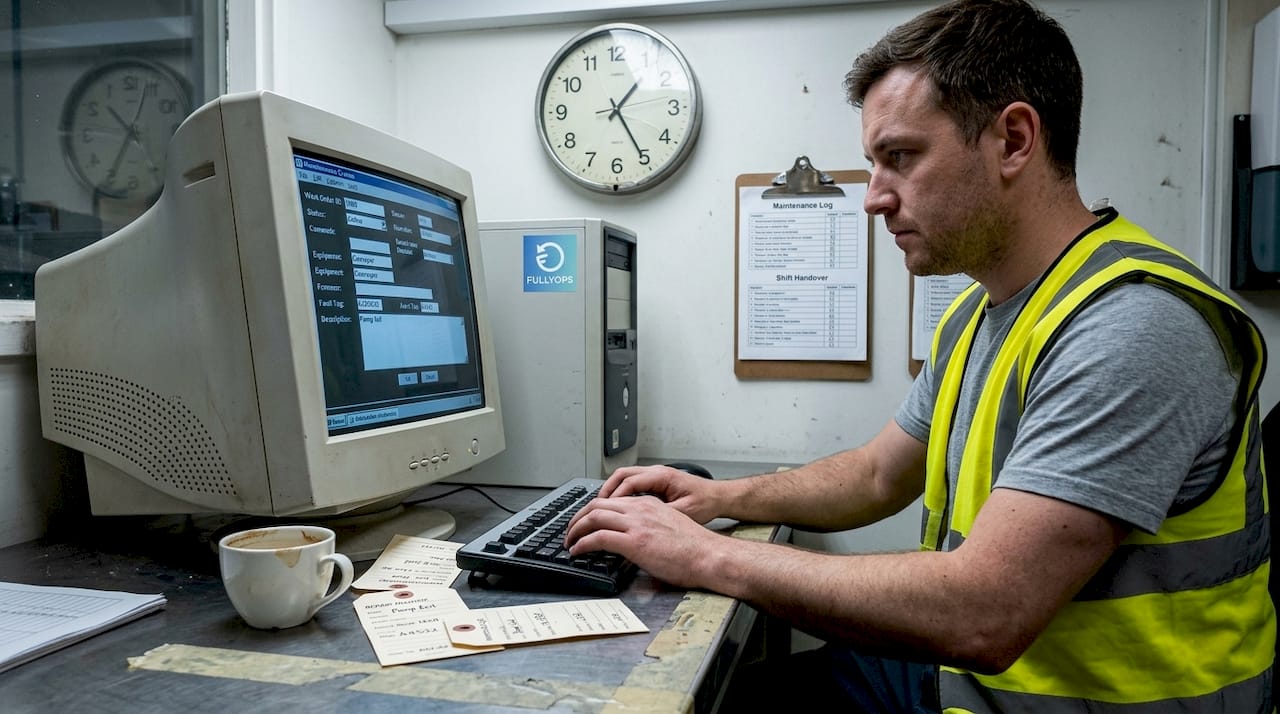
Cloud based maintenance platforms represent the fastest growing category, delivering cloud based maintenance software benefits including 60% efficiency gains and 25% downtime reduction. These solutions eliminate on premise infrastructure requirements, enable remote access from any device, and scale effortlessly as asset portfolios expand. Subscription pricing models reduce capital expenditure whilst ensuring automatic updates and enhanced data security through centralised hosting.
Specialised asset tracking software targets inventory control and equipment monitoring through barcode scanning, RFID integration and GPS location services. These lightweight systems suit organisations needing real time asset visibility without full maintenance management functionality. They complement broader platforms or serve standalone roles in logistics and field service operations.
Key advantages and limitations break down as follows:
- EAM provides unmatched depth but demands significant investment and change management
- CMMS balances functionality with affordability for focused maintenance improvement
- Cloud platforms maximise flexibility and accessibility at predictable operating costs
- Tracking software delivers rapid deployment for visibility needs without maintenance workflow features
Your choice depends on balancing operational scope, budget constraints and asset lifecycle management tips specific to your industry context.
Comparing asset management system types side by side
A structured comparison clarifies how system types stack up across critical dimensions that influence maintenance outcomes. This table synthesises key differentiators to accelerate your evaluation process.
| System type | Key functions | Integration ability | Cost range | Best fit industries |
|---|---|---|---|---|
| EAM | Lifecycle management, procurement, compliance, financial tracking, multi site coordination | Deep ERP integration, IoT sensors, advanced analytics platforms | £50,000 to £500,000+ implementation, ongoing licence fees | Utilities, large manufacturing, public infrastructure, complex facilities |
| GMAO | Work orders, preventive maintenance, equipment history, inventory basics, scheduling | Moderate ERP links, basic sensor input, standard reporting tools | £5,000 to £50,000 implementation, per user subscriptions | Mid sized manufacturing, property management, healthcare facilities, education |
| Cloud based | Real time dashboards, mobile access, automated workflows, centralised data, scalable storage | API driven connections, rapid third party integration, IoT ready | £2,000 to £30,000 annual subscription, scales with users | Distributed operations, field services, growing enterprises, remote teams |
| Seguimiento de activos | Barcode/RFID scanning, GPS location, inventory counts, basic alerts, equipment checkout | Limited to inventory systems, simple data exports, standalone operation | £1,000 to £10,000 initial setup, minimal ongoing costs | Logistics, rental equipment, small facilities, tool management |
Cloud versus on premise deployment fundamentally alters operational dynamics. Cloud platforms eliminate server maintenance, enable instant access from field locations, and support remote collaboration across maintenance teams. On premise systems offer greater control over data sovereignty and customisation depth but require dedicated IT resources for updates and security patches.
Mobile and real time dashboard features separate modern platforms from legacy systems. Technicians equipped with mobile apps update work orders instantly, photograph asset conditions and access equipment manuals without returning to desks. Real time dashboards surface KPIs like mean time to repair, backlog trends and parts availability, empowering managers to redirect resources proactively. Integration capability is critical for driving efficiency and cost savings across asset lifecycles, so prioritise platforms offering robust API connections to your existing technology stack.
Typical maintenance scenarios guide system selection. Reactive maintenance environments benefit from CMMS work order speed, whilst organisations pursuing predictive strategies require EAM analytics depth. Cloud platforms suit geographically dispersed teams needing centralised coordination, and tracking software fits operations where inventory visibility outweighs workflow management. Aligning system capabilities with your predominant maintenance approach maximises data role in asset lifecycle value extraction.
Choosing the right asset management system for your operations
Successful system selection starts with honest assessment of operational scale, asset complexity and budget realities. Map your current maintenance processes to identify pain points like delayed work order completion, poor parts availability or compliance gaps that the right platform can address. Small to mid sized operations with straightforward asset portfolios often achieve rapid ROI through CMMS implementations, whilst enterprises managing critical infrastructure justify EAM investment through comprehensive risk mitigation and lifecycle optimisation.
Cloud options deserve serious consideration for their flexibility and remote access advantages. Subscription pricing spreads costs predictably over time, eliminating large capital outlays that strain budgets. Cloud platforms also accelerate deployment, with some organisations achieving full operational status within weeks compared to months long on premise implementations. This speed to value proves particularly attractive when maintenance backlogs demand immediate workflow improvements.
Leverage integration capabilities to multiply system value beyond standalone functionality. Connecting your asset management platform to ERP systems synchronises procurement and financial data, whilst IoT sensor feeds enable condition based maintenance that prevents failures before they occur. API driven architectures future proof your investment by accommodating emerging technologies like artificial intelligence and machine learning analytics. Maintenance optimisation in 2026 can reduce downtime by 30% with the right system choice and process alignment.
Plan for user adoption through comprehensive training programmes and ongoing support structures. The most feature rich platform delivers minimal value if technicians bypass it due to complexity or poor usability. Involve maintenance staff in system selection to build ownership and identify workflow requirements that vendors must address. Budget for change management resources that smooth the transition from legacy processes to new digital workflows.
Consejo profesional: Balance budget constraints with capability requirements by phasing implementation. Start with core modules addressing your biggest pain points, then expand functionality as ROI materialises and user confidence grows.
“The right asset management system transforms maintenance from reactive firefighting into strategic asset stewardship that drives competitive advantage through reliability and cost control.”
Your selection ultimately hinges on matching system architecture to operational realities whilst positioning for future growth. Prioritise platforms offering maintenance optimisation strategies 2026 alignment, scalable licensing and vendor partnerships that support long term success rather than one time transactions.
Enhance your asset management with FullyOps
FullyOps delivers intelligent asset management solutions designed specifically for industrial maintenance challenges you face daily. Our platform combines gestión del ciclo de vida de los activos depth with intuitive interfaces that accelerate user adoption across technical and administrative teams. You gain real time visibility into equipment performance, automated compliance documentation and predictive analytics that shift maintenance from reactive to proactive strategies.
Explore our tutorial de asignación de recursos gestión de activos to optimise technician deployment and parts inventory based on actual demand patterns. Our proceso de gestión de órdenes de trabajo streamlines request handling from submission through completion, reducing response times and improving asset uptime. Cloud based architecture ensures your team accesses critical information from any location, supporting distributed operations and remote collaboration. FullyOps scales with your growth, offering flexible plans that match your operational complexity without forcing unnecessary features or costs.
PREGUNTAS FRECUENTES
What is the difference between EAM and CMMS?
EAM encompasses comprehensive asset lifecycle management including procurement, financial tracking, compliance and multi site coordination across entire organisations. CMMS focuses specifically on maintenance operations through work order management, preventive scheduling and equipment history without broader enterprise functions. Larger organisations with complex asset portfolios typically require EAM depth, whilst mid sized operations achieve sufficient value through CMMS capabilities at lower implementation costs.
How does cloud based asset management improve maintenance?
Cloud platforms enable real time updates accessible from mobile devices, accelerating technician response and manager decision making regardless of location. They eliminate on premise infrastructure costs whilst centralising data for enhanced collaboration across distributed teams. Cloud based maintenance software boosts efficiency by 60% and cuts downtime by 25% through instant information sharing and automated workflow triggers that prevent delays inherent in legacy systems.
What factors influence the cost of asset management systems?
Software type, deployment model, feature breadth, user count and integration complexity drive total cost of ownership. Cloud subscriptions spread expenses predictably over time with lower upfront investment, whilst on premise implementations require significant capital for hardware, licences and IT resources. Customisation needs, ongoing vendor support, training programmes and data migration from legacy systems add to total expense. Organisations should budget for both initial deployment and sustained operational costs when evaluating cost factors in system selection.
Which asset management system suits small maintenance teams?
Small teams benefit most from cloud based CMMS platforms offering essential work order management, preventive scheduling and mobile access without enterprise complexity. These systems deploy rapidly, require minimal IT support and scale affordably as teams grow. Focus on intuitive interfaces that reduce training time and vendor support quality that compensates for limited internal technical resources. Avoid over investing in features your team cannot fully utilise, prioritising core functionality that addresses immediate workflow bottlenecks.
How long does asset management system implementation take?
Cloud platforms typically achieve operational status within four to twelve weeks depending on data migration complexity and customisation requirements. On premise EAM implementations often extend six to eighteen months due to infrastructure setup, integration development and phased rollouts across multiple sites. CMMS deployments fall between these extremes, averaging two to six months for mid sized organisations. Realistic timelines account for user training, process redesign and testing phases that ensure smooth transitions from legacy workflows to new digital systems.
Recomendado
- Guía de flujos de trabajo de mantenimiento de activos para una eficiencia óptima
- Dominar la creación de programas de mantenimiento para activos fiables
- Qué es la gestión de activos y su impacto en la eficiencia del mantenimiento
- Gestión de activos y servicio de campo Blog Insights